

The concept of the Caliph in Islam is far more than a title—it’s a spiritual trust. Since the passing of Prophet Muhammad ﷺ, Muslims have looked to the Caliphs not only as political leaders, but as guardians of moral values, justice, and divine guidance.
Through the Rashidun era to the Ottoman legacy, the Caliphate has embodied the dignity and nobility of Islam. As the world changes rapidly, many now ask: Who could be worthy to lead the Muslim Ummah again?
🌟 The Era of the Rightly Guided
The first four Caliphs—Abu Bakr, Umar, Uthman, and Ali—led the Muslim community with unmatched humility and wisdom. They:
- Applied Quranic justice with fairness.
- Cared for the poor and the weak.
- Protected the spiritual and intellectual core of the Ummah.
They are timeless examples of leadership rooted in taqwa (God-consciousness).
🏛️ Golden Ages of Islamic Civilization
The Umayyad, Abbasid, and Ottoman Caliphates contributed not only to governance, but to:
- Science – Algebra, medicine, astronomy.
- Architecture – Domes, minarets, and sacred geometry.
- Art and Calligraphy – Inspired by the divine word.
In them, we see the beauty of Islam reflected in the world.
🤲 Why the Caliphate Still Inspires
Today, the dream of a Caliphate is not about empire. It’s a symbol of unity, mercy, and wisdom.
- Muslims long for leadership that reflects the mercy of the Prophet ﷺ.
- A figure who can stand for justice, peace, and education.
- A moral guide, not a political ruler.
🌍 Who Could Be Worthy?
To lead such a global community:
- One must be knowledgeable in Islam, just, humble, and respected.
- Leadership must come not from power, but from consensus and service.
- A future caliph—if destined—will arise from love, not force.
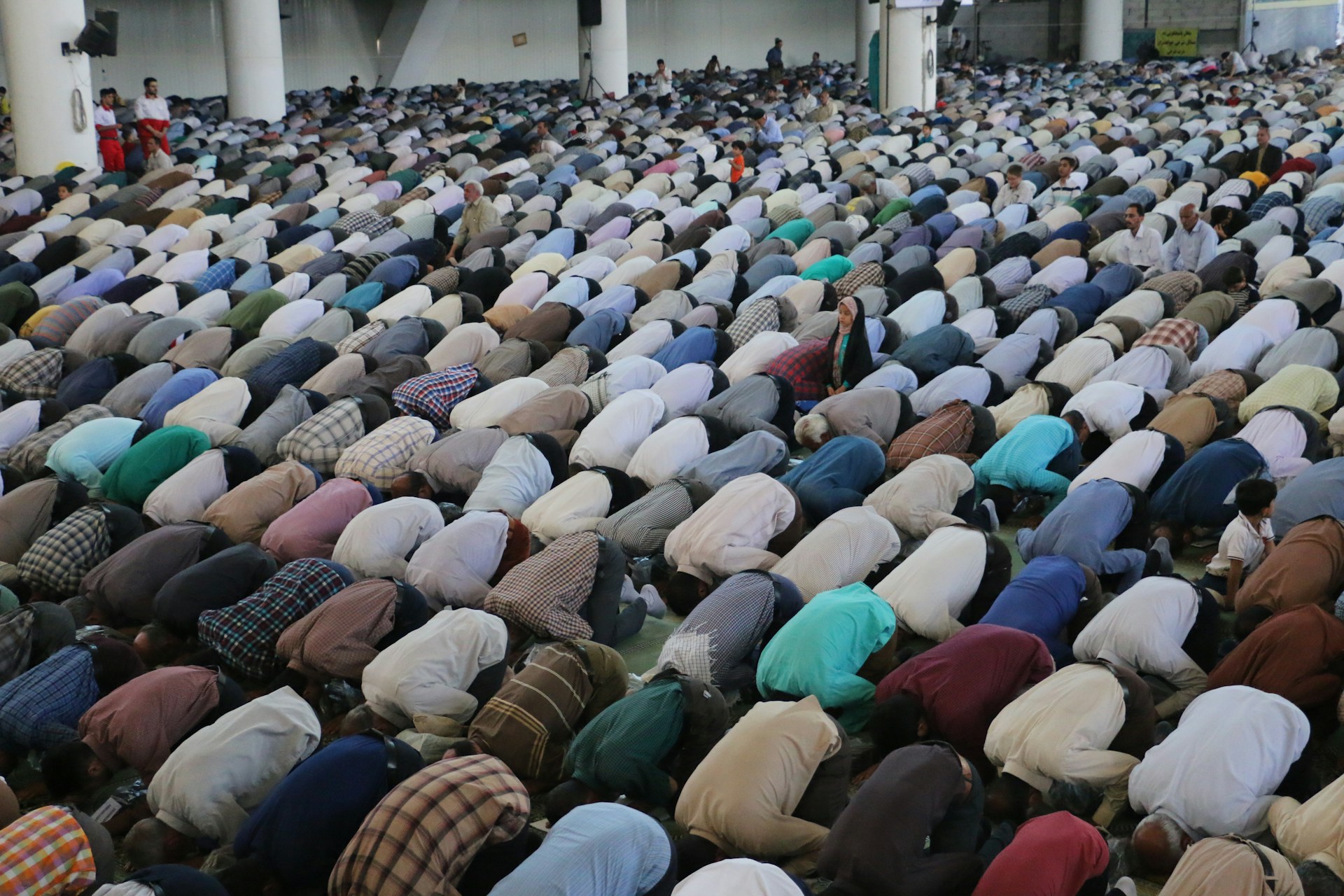
Until then, the legacy lives on—in every prayer, every Qur’an recitation, and every act of justice.