
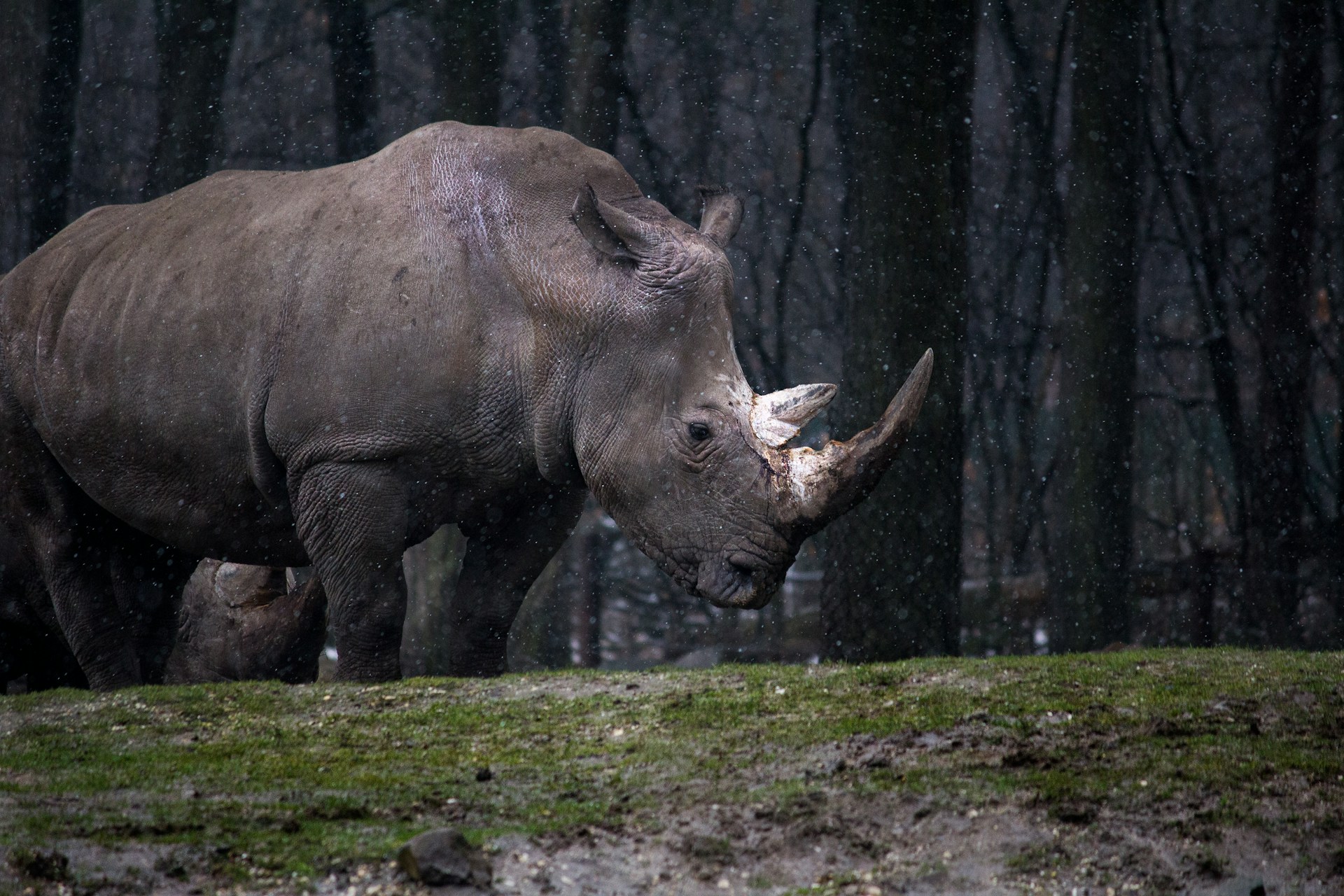

Rhinos, one of the planet’s most iconic and ancient mammals, are facing an unprecedented crisis. Conservation groups worldwide are sounding the alarm as rhino populations continue to dwindle due to illegal poaching and habitat destruction.
Once roaming freely across vast regions of Africa and Asia, several rhino species are now critically endangered. The northern white rhino, for instance, has only two known females left on Earth. The primary threat? Poachers targeting their horns – highly valued in black markets across Asia, often falsely believed to have medicinal properties.
“Every day, we are losing these magnificent creatures,” says Dr. Lena Matthews, a wildlife biologist with the International Rhino Foundation. “If immediate and coordinated action isn’t taken, we may witness their extinction within our lifetime.”
Governments and conservationists are ramping up efforts through anti-poaching patrols, protected reserves, and awareness campaigns. In South Africa, technology such as drones and AI surveillance is being used to monitor rhino movements and catch poachers before they strike. Meanwhile, breeding programs in sanctuaries offer a glimmer of hope, especially for the black and greater one-horned rhino.
Yet, challenges remain. Corruption, lack of funding, and demand from illicit markets continue to hinder progress. Experts argue that the key lies not only in enforcement but in education – dismantling myths surrounding rhino horns and promoting long-term community-based conservation.
The world watches closely, as the fate of rhinos may soon become a stark symbol of humanity’s failure – or success – in protecting Earth’s most vulnerable species