

The United States Agency for International Development (USAID) will officially cease the implementation of foreign aid programs, marking a major shift in American global policy. U.S. Secretary of State Marco Rubio confirmed the shutdown, stating that future American aid will be strictly limited and purpose-driven.
This move comes as part of President Donald Trump’s broader effort to streamline the federal government and redirect resources. USAID’s responsibilities will now be absorbed by the State Department, marking the end of an era in global humanitarian aid leadership.
“We will favor those nations that have demonstrated both the ability and willingness to help themselves,” Rubio said. “Resources will be focused where they can catalyze sustainable private sector growth, including U.S. companies and global investment.”
According to Rubio, the new model prioritizes trade over aid and investment over assistance. The U.S. aims to strengthen its global position while countering China’s growing influence through targeted economic engagement rather than broad-based aid.
Since taking office, President Trump has frozen or cut billions in foreign assistance, arguing that taxpayer money should be used only in programs aligned with his “America First” doctrine. These cuts have effectively dismantled USAID, leading to mass layoffs and halting the distribution of life-saving food and medical supplies.
A study published in the medical journal The Lancet warns that these funding cuts could result in over 14 million additional deaths by 2030. Human rights advocates and global health experts have expressed grave concern about the decision, citing USAID’s pivotal role in improving health systems, particularly in low- and middle-income countries.
Founded in 1961 by President John F. Kennedy during the Cold War, USAID was created to coordinate foreign aid and became a cornerstone of U.S. foreign policy, especially in countering Soviet influence. Its dismantling signals a profound change in how America engages with the world.
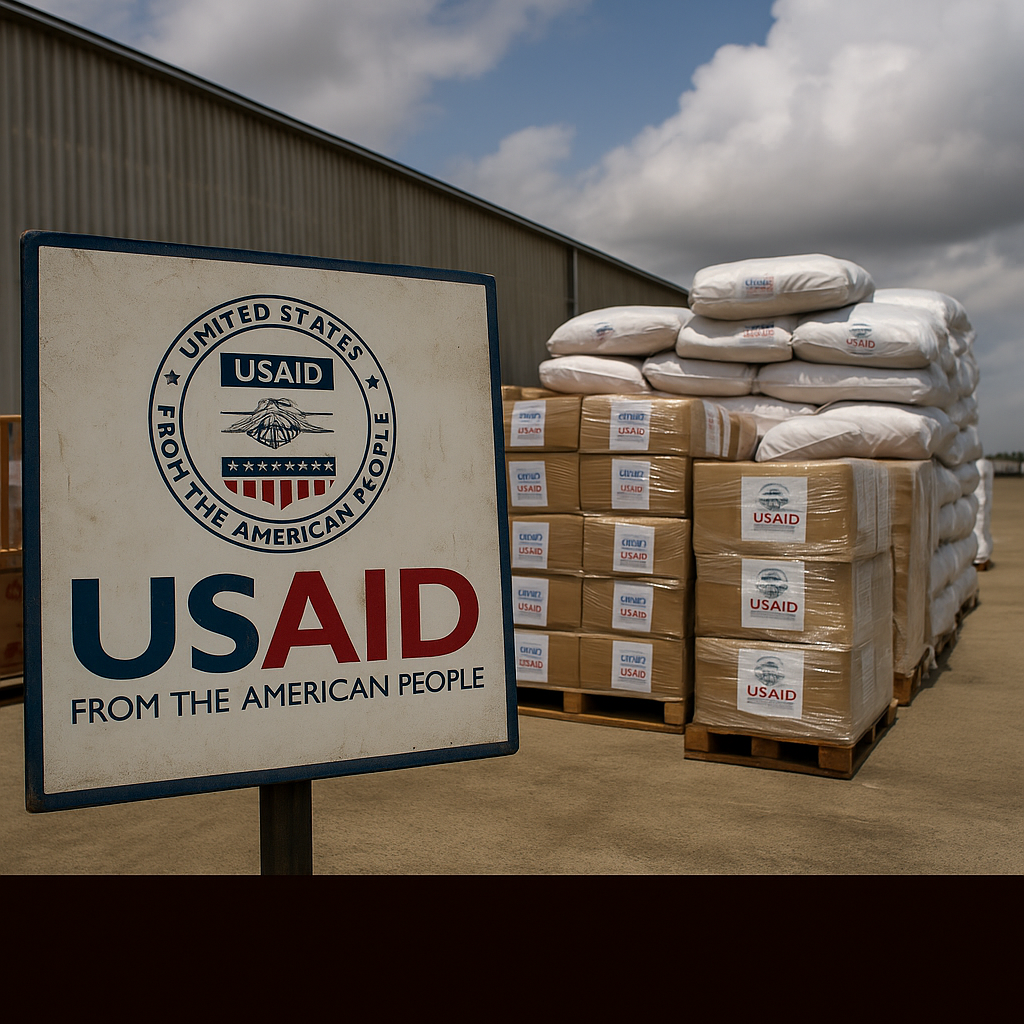
The closure of USAID marks more than just a bureaucratic reorganization — it represents a profound shift in U.S. global strategy. For decades, development aid was not only a humanitarian tool, but also a key instrument of diplomacy, influence, and soft power. By cutting off this channel, the U.S. signals a move toward transactional international relations, where strategic return on investment overrides moral responsibility.
While advocates of the new model argue that it will encourage self-reliance and efficiency, critics warn of dangerous consequences: weakened health systems, food insecurity, and instability in fragile regions. More than 14 million lives now hang in the balance, many of them in regions where USAID was a lifeline.
Moreover, this decision creates a vacuum in global humanitarian leadership — one that geopolitical rivals like China or Russia may quickly seek to fill with their own models of influence.
In short, while the reallocation of aid may align with economic realism, the humanitarian and geopolitical costs could be immense. The world may feel the absence of USAID far more than Washington anticipates.
Illustrated image – created by Novaflash.info for visual purposes. Does not depict a real scene.
Source: A2 CNN