
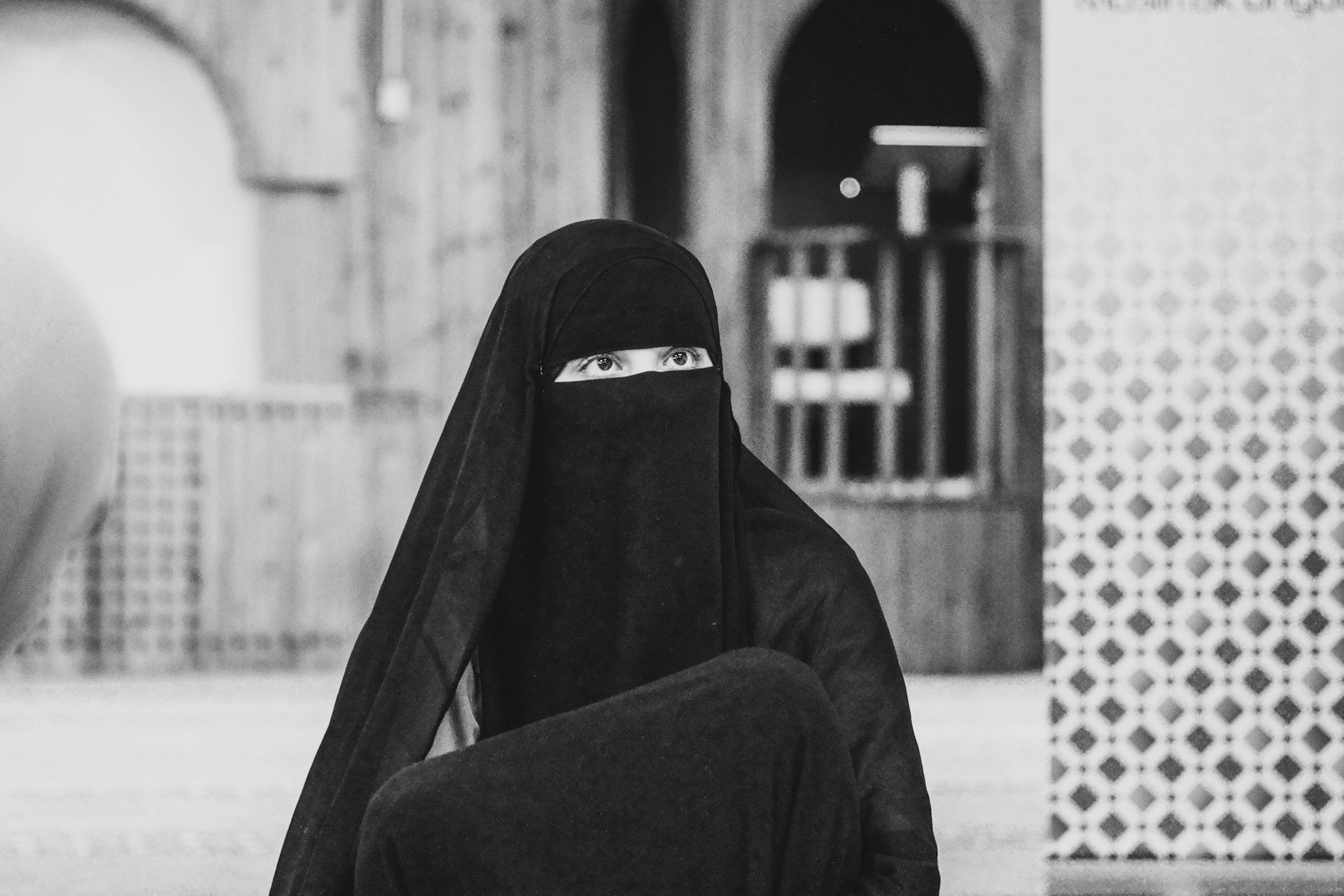

Denmark has taken a controversial step by officially banning the wearing of the burqa and niqab in public spaces, sparking heated debates both within the country and internationally. The Danish parliament passed the law with the justification that it promotes integration and upholds what they describe as “Danish values.”
According to the law, women who appear in public wearing the burqa (a full-body covering with a mesh over the eyes) or the niqab (a face veil leaving only the eyes visible) will face fines. Repeat offenders could potentially face heavier penalties, raising concerns among human rights organizations about freedom of religion and expression.
Danish officials have defended the move as necessary for social cohesion. The message from some politicians has been particularly strong, with statements directed at Muslim communities, urging them to adapt to Danish society or consider leaving the country if they refuse.
Supporters of the ban argue that face coverings hinder integration, create barriers in communication, and go against Denmark’s principles of openness and equality. “We must be able to see each other face to face in a democratic society,” one lawmaker said during the parliamentary debate.
Critics, however, argue that the ban disproportionately targets Muslim women and risks marginalizing them further. Amnesty International and other rights groups have condemned the measure, calling it discriminatory and a violation of personal freedoms. They warn that instead of promoting integration, the ban may deepen divisions within Danish society.
For many Muslim women, the decision poses a painful dilemma: either remove their religious coverings or risk punishment under the law. Some have voiced concerns that the law forces them to choose between their faith and their participation in public life.
This is not the first time a European country has passed such legislation. France, Belgium, Austria, and the Netherlands have also implemented bans on full-face coverings in public, citing similar reasons related to security and integration. Denmark now joins this list, reinforcing the ongoing debate across Europe about balancing religious freedom with national identity and values.
The issue remains deeply polarizing. While some Danes support the government’s stance, seeing it as a step toward a stronger national identity, others fear it undermines the very principles of democracy and freedom that Denmark claims to defend.
As the law comes into effect, Muslim women in Denmark will be directly affected, and the world will be watching closely to see how this controversial policy unfolds in practice.