
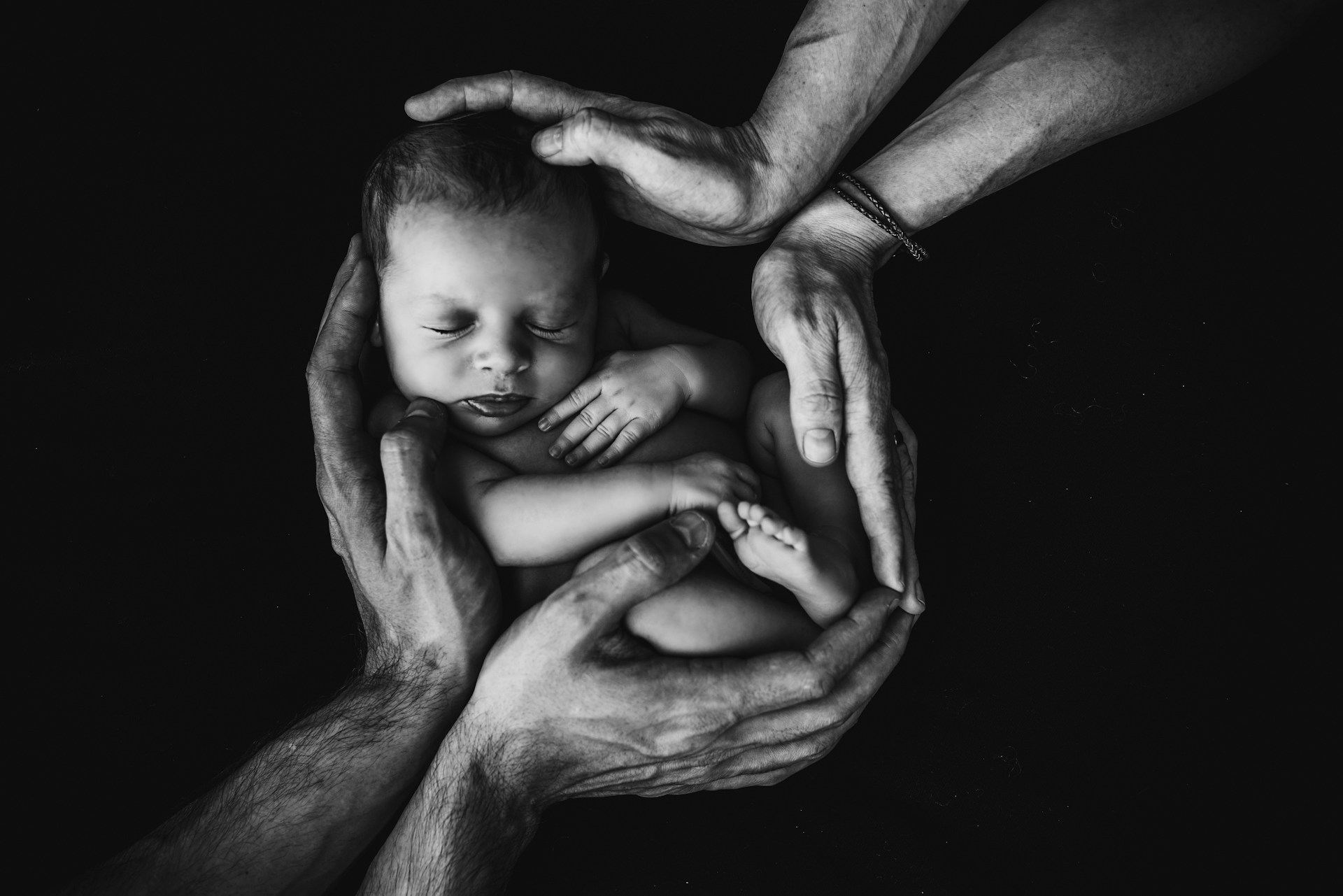

Before we ever take our first breath, before we open our eyes to the outside world, we live in one of the most fascinating environments nature has ever created—the womb. The womb is not just a space; it is a living sanctuary where every stage of our development takes place. From a single cell to a fully formed baby, the nine months of pregnancy are a remarkable journey filled with growth, adaptation, and wonder. Understanding what happens inside the womb helps us appreciate the miracle of human life and the extraordinary design of the human body.
The Beginning: Conception and Early Development
Life inside the womb begins at the moment of conception. When a sperm fertilizes an egg, a single cell is formed called a zygote. This zygote contains all the genetic information needed to create a new human being. Within hours, it begins to divide rapidly, turning into a cluster of cells known as a blastocyst.
By the end of the first week, the blastocyst travels down the fallopian tube and implants itself in the uterine wall. This is the first true connection between the mother and child. From this point forward, the womb becomes the baby’s home, a protected environment where development happens in stages.
The First Trimester: Foundations of Life
During the first three months, the baby undergoes dramatic changes. By week four, the tiny cluster of cells begins to form the neural tube, which will later become the brain and spinal cord. The heart starts to beat around week six, pumping blood through the tiny body.
Arms, legs, fingers, and toes start forming. Facial features also begin to take shape, and by the end of the first trimester, the baby is about three inches long. This is the stage when the foundations of all major organs are created. Even though the baby is still very small, it already looks human.
The Second Trimester: Growth and Awareness
The second trimester (weeks 13–27) is often considered the most active period of pregnancy. The baby grows rapidly, bones harden, and muscles strengthen. The nervous system develops further, and the baby begins to move. Many mothers first feel these movements, called quickening, between weeks 18 and 22.
The baby can now hear sounds, including the mother’s heartbeat and voice. Research shows that babies can even recognize their mother’s voice after birth, suggesting that memory and awareness start forming inside the womb. By week 20, the baby is covered in a soft layer of hair called lanugo, and the skin is protected by a waxy substance known as vernix caseosa.
The Third Trimester: Preparing for Birth
During the final three months, the baby focuses on growth and preparation for life outside the womb. The brain develops at an incredible rate, forming billions of neural connections. The lungs mature, practicing tiny “breathing” movements, even though the baby still receives oxygen through the umbilical cord.
By this stage, the baby can open and close its eyes, suck its thumb, and even dream. Studies show that fetuses experience REM sleep, the same stage associated with dreaming in adults. This suggests that the baby’s brain activity is already complex before birth.
As the baby gains weight, the womb becomes a tighter space. Movements become stronger, and mothers often notice kicks, stretches, and even hiccups. By week 37, the baby is considered full-term and ready for birth.
Life-Support Inside the Womb
The womb provides everything necessary for survival and growth. The placenta acts as a life-support system, delivering oxygen and nutrients from the mother’s blood while removing waste products. The umbilical cord connects the baby to the placenta, ensuring a constant supply of what the baby needs.
Amniotic fluid, the liquid inside the sac surrounding the baby, cushions movements and keeps the environment stable. It also allows the baby to practice swallowing and “breathing,” essential skills for life outside the womb.
Emotional and Spiritual Dimensions
For centuries, different cultures have viewed life in the womb as more than just biology. Many traditions consider it a sacred stage of existence, where the human soul begins its journey. Science may describe the development of cells and organs, but the mystery of how life begins continues to inspire awe and reflection.
Mothers often form a deep emotional connection with their babies before birth. Talking, singing, or even placing a hand on the belly becomes a way of bonding, showing that life in the womb is not just physical but also emotional.
Conclusion
Living inside the womb is a journey unlike any other. From a single cell to a fully developed baby, every stage is marked by incredible changes that prepare us for the world outside. The womb is not only a place of protection but also a place of learning, where the senses awaken, and the foundation of life begins.
When a baby is finally born, it is not the beginning of life but the continuation of an extraordinary journey that started months before. Understanding what happens inside the womb allows us to appreciate the miracle of human existence and the delicate bond between mother and child.