
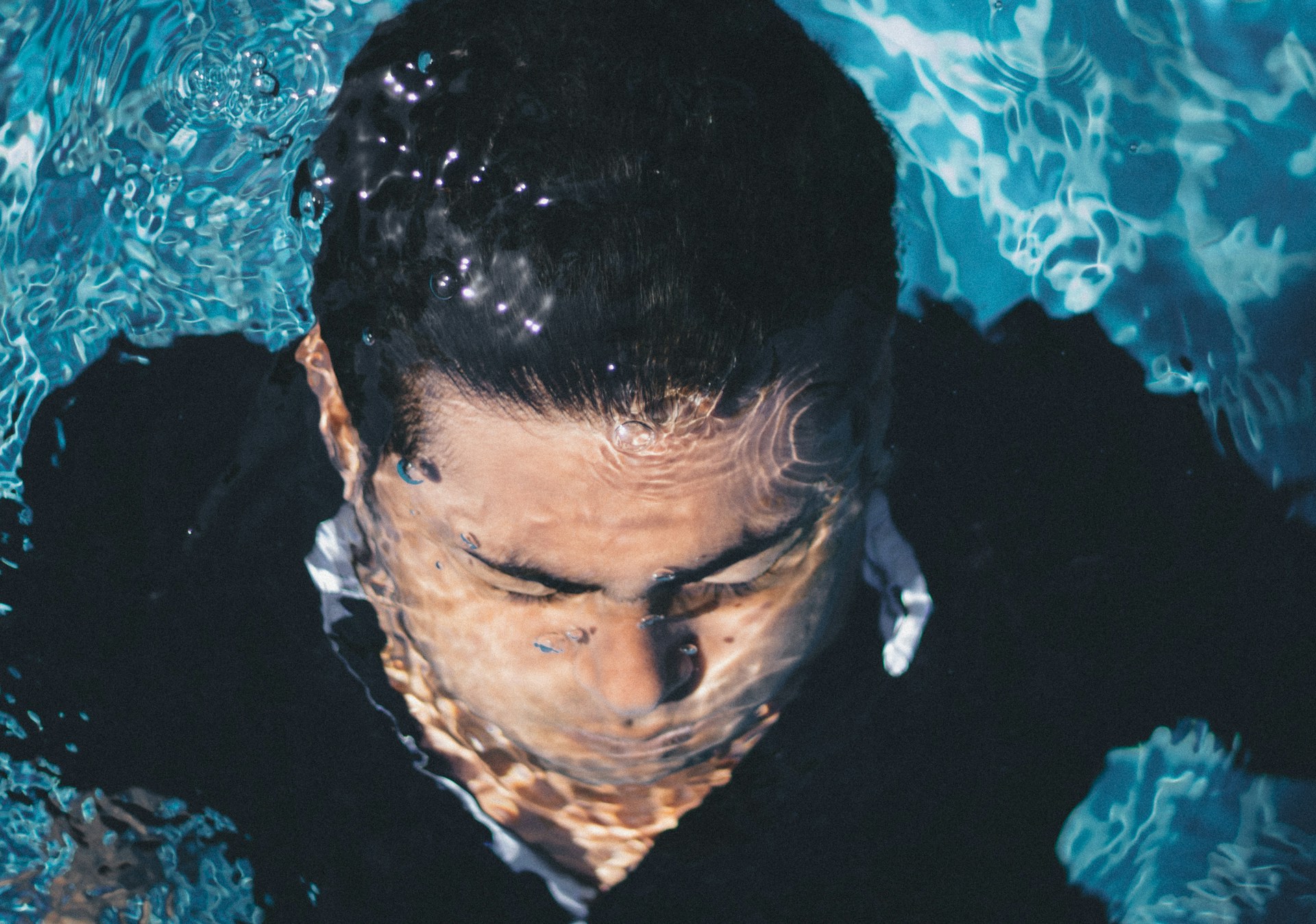

Holding your breath may seem harmless or even a fun challenge, but have you ever wondered if keeping your breath in for too long could be dangerous? While most people have experimented with breath-holding during swimming, yoga, or just for fun, science shows that pushing the limits of this simple act can have surprising and sometimes serious effects on the body.
When you hold your breath, carbon dioxide (CO2) builds up in the blood, and oxygen levels decrease. This triggers a natural response in your body called the “urge to breathe reflex,” which is designed to protect vital organs from oxygen deprivation. Ignoring this reflex and forcing your body to hold breath beyond safe limits can cause dizziness, fainting, or even temporary loss of consciousness.
For healthy individuals, brief periods of breath-holding are usually safe. However, prolonged or extreme breath-holding—especially under water—can pose serious risks. The brain is highly sensitive to oxygen deprivation, and even short periods of low oxygen can lead to confusion, disorientation, or fainting, increasing the risk of accidents, particularly while swimming.
Holding your breath also affects the cardiovascular system. When oxygen levels drop, the heart rate slows down initially (a response known as the diving reflex), but prolonged oxygen deprivation can stress the heart and blood vessels. People with underlying heart conditions, high blood pressure, or respiratory issues are at greater risk and may experience heart palpitations, arrhythmias, or in rare cases, cardiac arrest.
Interestingly, the body has mechanisms to compensate for oxygen deprivation. Blood flow is redirected to essential organs like the brain and heart, while non-essential functions slow down. This is why some free divers can hold their breath for several minutes without harm. Yet, even professional divers must train extensively to avoid hypoxia (low oxygen) or blackout events, which can be fatal.
Holding your breath excessively can also impact the nervous system. Lack of oxygen affects brain function, leading to impaired judgment, blurred vision, or tingling sensations in fingers and lips. Some extreme cases report seizures triggered by prolonged breath-holding, especially among teenagers or untrained individuals attempting “breath-holding challenges.”
Despite these dangers, breath-holding is a natural part of many activities, from meditation and yoga to swimming and freediving. The key is awareness and moderation. Knowing your limits, listening to your body’s warning signals, and avoiding competitive or unsafe breath-holding can prevent harm while allowing you to benefit from controlled breathing exercises.
Medical experts emphasize that ignoring the body’s urge to breathe is never safe. Symptoms such as dizziness, headache, or tingling during breath-holding should be taken seriously. These signals are your body’s way of protecting the brain and other vital organs from oxygen deprivation. Early recognition and immediate action—like resuming normal breathing—can prevent serious consequences.
Moreover, controlled breath-holding has proven health benefits when practiced safely. Techniques such as deep breathing exercises, pranayama, and meditation can improve lung capacity, reduce stress, and increase mental focus. The difference lies in listening to your body rather than pushing it beyond safe limits.
In conclusion, while holding your breath is a seemingly simple act, it carries hidden risks if done excessively or without proper awareness. The human body is remarkable, but it has limits that should not be ignored. Respecting these limits ensures safety while still allowing you to enjoy the benefits of controlled breathing.
Next time you try to hold your breath, remember: it’s not just a test of willpower—it’s a test of how well you understand and respect your body. Stay aware, stay safe, and enjoy the fascinating power of your own physiology.