
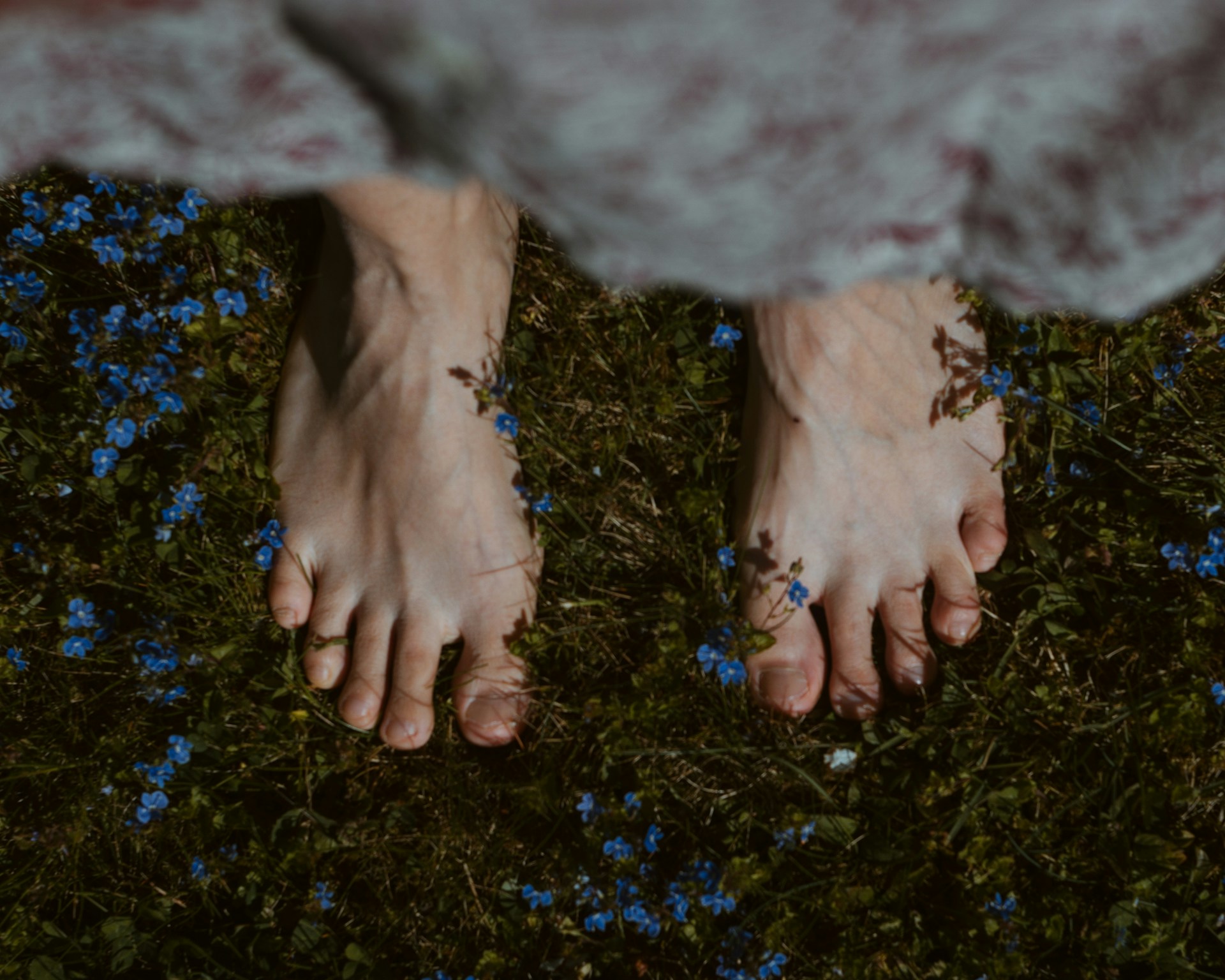

Walking barefoot might seem simple, but did you know that your feet hold incredible power to influence your health? For centuries, humans have walked without shoes, and modern science is beginning to uncover the surprising ways that walking barefoot can benefit the body and mind.
One of the most fascinating aspects of walking barefoot is its connection to grounding, or “earthing.” The soles of your feet contain thousands of nerve endings, making them highly sensitive to touch, texture, and temperature. When your feet make direct contact with the earth—soil, grass, sand, or even stone—they can absorb natural electrons, which some researchers believe help reduce inflammation, improve sleep, and balance the body’s electrical system.
Barefoot walking also has a profound impact on posture and muscles. Wearing shoes all the time can alter the natural gait, weaken foot muscles, and even affect knees, hips, and the spine. Walking without shoes allows the muscles in your feet and lower legs to work naturally, strengthening arches, improving balance, and encouraging proper alignment throughout the body. Over time, this can reduce chronic pain in the back and joints.
There’s more: walking barefoot stimulates the nervous system. Every pebble, blade of grass, or grain of sand sends signals to the brain, enhancing sensory perception and coordination. Studies show that people who walk barefoot regularly experience improved reflexes, better balance, and heightened body awareness. This explains why many athletes incorporate barefoot training into routines to increase agility and strength.
From a mental perspective, barefoot walking has been linked to stress relief and mood enhancement. Feeling the earth beneath your feet, breathing fresh air, and moving naturally can trigger the release of endorphins—the body’s natural “feel-good” hormones. People often report feeling calmer, more focused, and energized after a barefoot walk, especially in natural settings like parks, beaches, or forests.
Historically, cultures around the world have recognized the benefits of barefoot movement. Ancient practitioners of yoga, martial arts, and meditation have long emphasized direct contact with the earth as a pathway to both physical and spiritual well-being. Some traditional healers even believe that barefoot walking can help balance energy flow and remove negative energies from the body.
However, walking barefoot is not without risks. Sharp objects, rough terrain, or contaminated surfaces can cause injury or infection. Experts recommend starting gradually, choosing safe and clean environments, and being mindful of your surroundings. Protective measures, such as walking on grass or sand, allow you to enjoy the benefits while minimizing hazards.
Modern science continues to explore barefoot walking and its long-term effects. Research indicates that it may improve circulation, lower blood pressure, and enhance immune function. Foot reflexology, a technique often combined with barefoot practice, shows promising results in pain relief and organ health, suggesting that the feet are not just physical support but also gateways to holistic wellness.
In conclusion, walking barefoot is more than a nostalgic reminder of childhood; it is a simple, natural practice with powerful benefits for the body, mind, and spirit. By reconnecting with the earth, strengthening muscles, and stimulating the nervous system, you can unlock a range of health improvements that modern medicine is only beginning to understand.
So next time you step outside, consider leaving your shoes behind. Your feet—and your entire body—may thank you.