
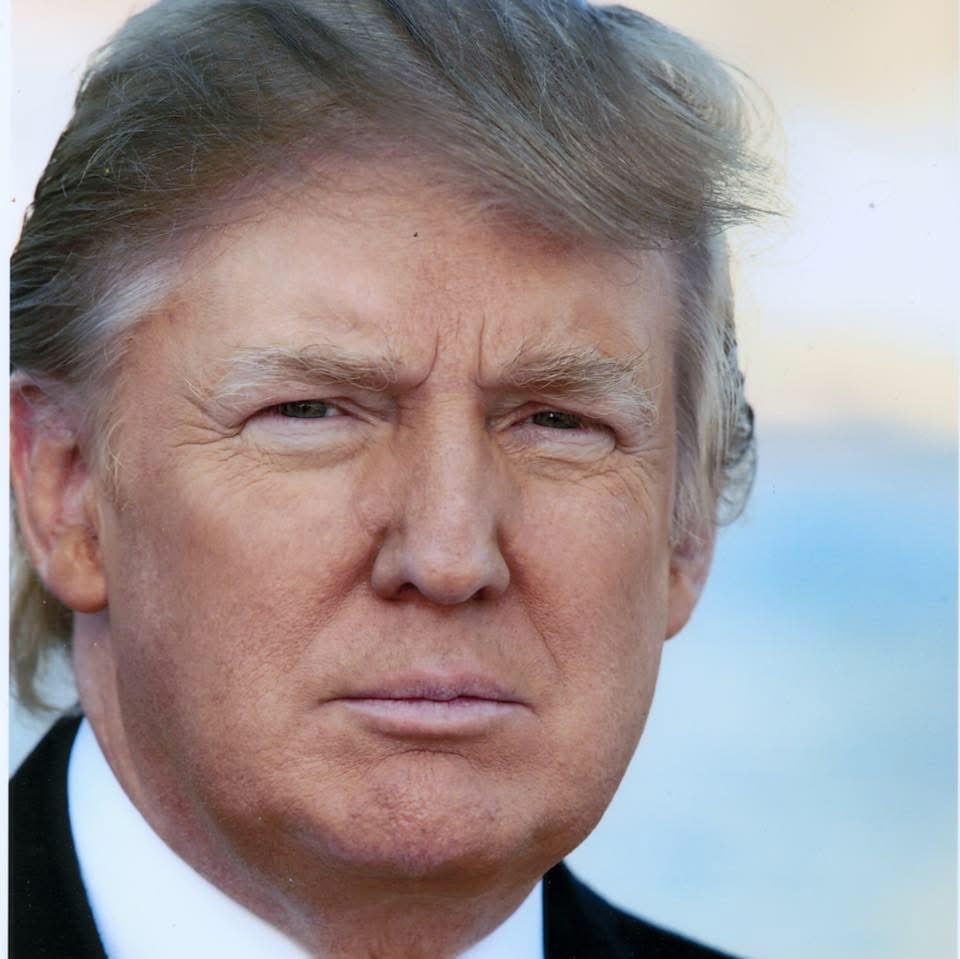

President Donald Trump’s approval ratings among Hispanic voters have seen a sharp decline over the past 10 months, according to a new national poll released this week. The data reveals a 19-point drop in favorability, with immigration enforcement and economic uncertainty cited as key factors behind the shift.
The survey, conducted by Public Policy Insights, indicates that just 38% of Hispanic respondents now approve of Trump’s handling of immigration policy — down from 57% earlier this year. Many voters expressed growing concern over stricter deportation measures, reduced asylum processing, and the administration’s ongoing border security initiatives.
Economic perceptions also played a significant role. While the White House has championed its efforts to curb inflation and boost job creation, the poll found a widening gap between perception and experience among Latino workers. Rising housing costs, higher interest rates, and stagnant wages have led some to question whether the administration’s reforms are delivering tangible relief.
Analysts say the decline could have major implications for 2026 midterm elections, as Hispanic voters represent one of the fastest-growing and most politically diverse demographics in the country.
Political strategist Maria Torres noted:
“The Hispanic community has long valued both opportunity and stability. When economic pressure combines with immigration fear, it creates a deep sense of uncertainty that no party can afford to ignore.”
Despite the drop, Trump retains a solid base of support among conservative Hispanic voters, particularly in Florida and Texas, where immigration enforcement remains popular. However, pollsters warn that national sentiment is trending toward dissatisfaction, especially in swing states like Arizona, Nevada, and Pennsylvania.
The White House has not publicly commented on the findings, but sources close to the administration suggest a new outreach strategy is being prepared to “rebuild trust and highlight economic achievements.”
The results underscore a critical reality for any future election campaign: Hispanic voters are not a monolith, and their political loyalties can shift rapidly in response to changing economic and social conditions.