
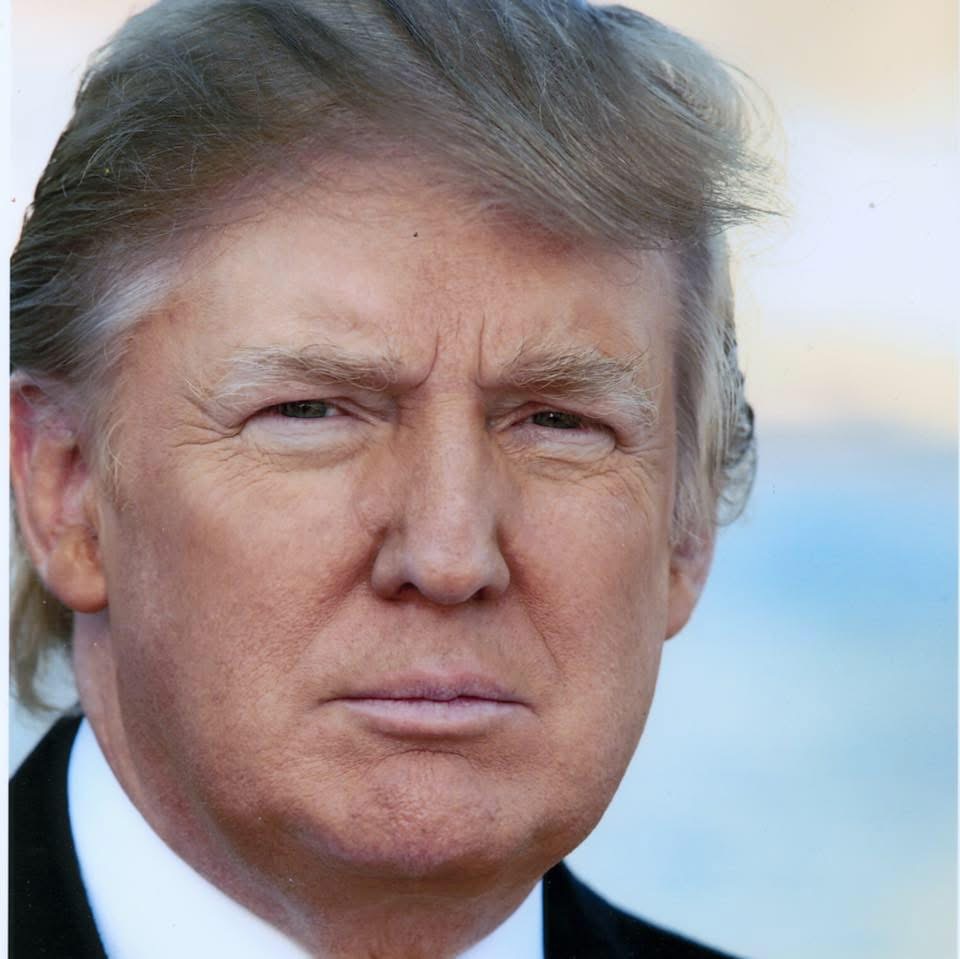

U.S. President Donald Trump announced on November 1 , 2025 that he has directed the Pentagon to begin planning for possible military action in Nigeria. The announcement came as part of an escalation in the U.S. critique of Nigeria’s handling of religious freedom issues, specifically the alleged persecution of Christians in the West African nation.
In a post on his social media platform, Trump accused the Nigerian government of allowing “radical Islamists” to target Christians and warned that U.S. aid would be cut off if the violence continued. “If the Nigerian Government continues to allow the killing of Christians, the U.S.A. will immediately stop all aid and assistance to Nigeria, and may very well go into that now disgraced country, ‘guns-a-blazing,’ to completely wipe out the Islamic Terrorists who are committing these horrible atrocities,” he wrote.
He followed this with: “I am hereby instructing our Department of War [sic] to prepare for possible action. If we attack, it will be fast, vicious, and sweet, just like the terrorist thugs attack our CHERISHED Christians!”
Background & Context
Nigeria, Africa’s most populous country, is split roughly between a Muslim-majority north and a Christian-majority south. The country has long faced complex security challenges, including the Islamist militant group Boko Haram, farmers-herders conflict, and separatist movements. While Christians have been targeted, analysts note that Muslims also suffer significant casualties.
The U.S. had previously designated Nigeria a “Country of Particular Concern” for religious freedom violations in 2020; that label was lifted in 2023. Trump’s latest action appears to reverse that diplomatic reset.
What Trump Is Calling For
Trump’s directive to the Pentagon signals an intention—at minimum—to escalate U.S. pressure on Nigeria. The key elements of his message:
- Immediate cessation of all U.S. aid to Nigeria if the government doesn’t act.
- Direct military planning by the Pentagon for possible intervention.
- Framing of the issue primarily as protection of Christians facing persecution.
Nigeria’s Response
Bola Ahmed Tinubu, Nigeria’s President, responded swiftly, rejecting Trump’s claims:
“Religious freedom and tolerance have been a core tenet of our collective identity and shall always remain so,” the Nigerian Ministry of Foreign Affairs stated.
Expert Reaction & Risks
Foreign policy analysts warn that portraying Nigeria’s multi-dimensional security crisis solely as a matter of Christian persecution oversimplifies the reality and risks destabilizing regional diplomacy. Critics argue that threatening military intervention may undermine Nigeria’s sovereignty and could further entrench anti-U.S. sentiment.
Why This Matters
- The U.S. involvement in Nigeria carries global implications: destabilization of West Africa, shifts in counter-terrorism strategy, and potential military operations on African soil.
- It signals a broader pattern of U.S. moves linking aid and military posture with religious freedom concerns.
- It may reshape U.S.-Nigeria relations, especially as Nigeria navigates internal security and ethnic-religious tensions.
Conclusion
President Trump’s directive to the Pentagon to begin planning for possible military action in Nigeria is a dramatic escalation of U.S. foreign policy. While Nigeria must contend with severe security threats, the framing of the U.S. message—with aid cuts and intervention threats tied to alleged Christian persecution—introduces complex diplomatic risks. For now, the world watches whether Nigeria reforms its approach or whether U.S. involvement deepens.