
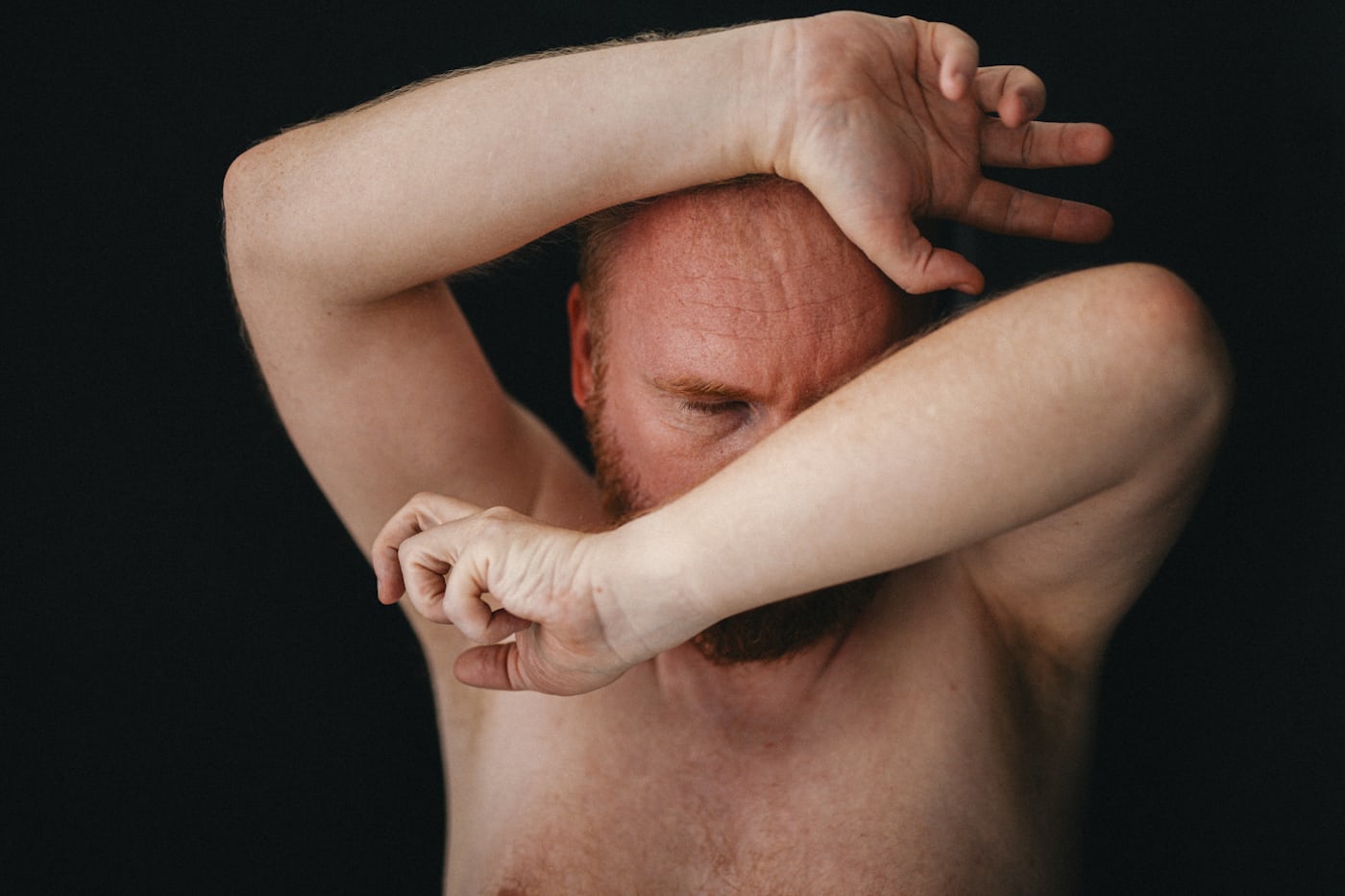

Imagine waking up one morning unable to lift a glass of water. Your eyelid droops, your voice slurs, and even breathing feels like climbing a mountain. These could be the first whispers of a battle called Myasthenia Gravis.
This rare autoimmune disease is a betrayal from within – where the body turns against its own muscles, disrupting the signals sent from the brain to control movement.
How the disease begins – warning signs that must not be ignored
The onset of Myasthenia Gravis is often subtle. The symptoms can be easily dismissed at first:
- Drooping eyelids (ptosis)
- Difficulty speaking or swallowing
- Severe fatigue after light activity
- Muscle weakness that worsens throughout the day
For many, it takes months – even years – to get a correct diagnosis. Doctors may mistake it for stress, chronic fatigue, or other neurological disorders.
Can it be cured?
There is currently no complete cure for Myasthenia Gravis. But the good news is that it can be controlled. With the right treatment, most people lead long, productive lives.
Most effective treatments
- Anticholinesterase medications (e.g., Pyridostigmine): Help improve nerve-to-muscle communication.
- Corticosteroids (e.g., Prednisone): Suppress the immune system’s attack.
- Immunosuppressants (e.g., Azathioprine): Reduce the body’s autoimmune response.
- Plasmapheresis and IVIG: Used in severe or crisis situations to remove harmful antibodies.
- Thymectomy (surgical removal of the thymus gland): Can lead to significant symptom improvement in many cases.
Treatment is long-term and requires careful monitoring by a neurologist. New biological therapies bring hope for more precise and lasting relief.
How life changes
Living with MG means living attentively. Simple tasks like climbing stairs or brushing your hair become calculated efforts. Rest becomes part of your survival toolkit. Some days feel nearly normal, others are a storm of exhaustion.
Muscle weakness can affect the face, limbs, neck, and even the muscles that help you breathe. But with determination and appropriate care, patients often find balance and dignity in their daily lives.
What to eat – and what to avoid
There is no one-size-fits-all diet, but these guidelines can help support muscle strength and energy:
✅ Recommended:
- Soft proteins like eggs, fish, lean chicken
- Cooked vegetables for easier chewing and swallowing
- Whole grains and fruits for long-lasting energy
- Plenty of water to prevent fatigue and stay hydrated
❌ Avoid:
- Tough-to-chew foods (steak, hard bread)
- Caffeine and energy drinks, which worsen fatigue
- Alcohol, which weakens muscles further
- High-sodium foods (especially when on steroids)
Types of Myasthenia Gravis
- Ocular – Affects only the eye muscles
- Generalized – Involves limbs, facial, neck, and breathing muscles
- Neonatal – Temporary MG passed from mother to infant
- Congenital – A rare inherited form
Living better with MG: What can help?
- Structuring your day around rest periods
- Using assistive devices for mobility or eating
- Seeking psychological support and joining MG communities
- Educating loved ones about the illness
- Creating a safe environment to prevent falls

When the body becomes a battlefield – it takes more than medicine to survive
Myasthenia Gravis is not just a physical condition – it’s a test of patience, identity, and strength. It challenges independence, but never defines the soul of the person fighting it.
In a world where some diseases dominate the spotlight, MG often goes unnoticed. That needs to change. Awareness brings support. Support brings hope.
Medical science is advancing. But above all, we must recognize the courage of those who live with this condition every single day. Because they are fighting not just for strength – but for dignity, for understanding, and for visibility.
Sources: Mayo Clinic, Myasthenia Gravis Foundation of America, Cleveland Clinic, National Institute of Neurological Disorders