
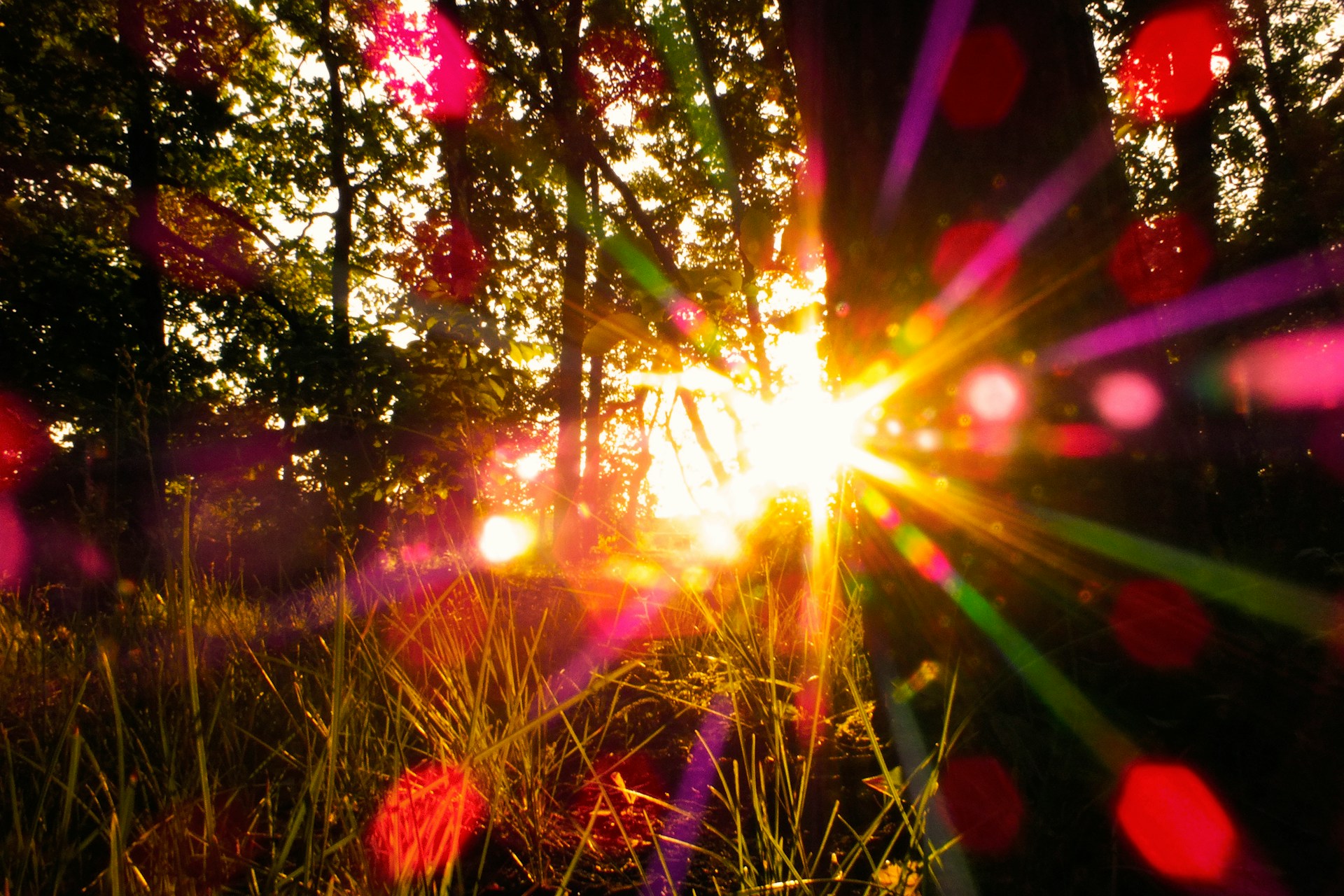

Today, the Northern Hemisphere experiences its longest day of the year—the summer solstice, making it the most special 24-hour period, with the longest daylight and shortest night .
🌞 What is the Summer Solstice?
• Occurs when Earth’s North Pole tilts maximally toward the Sun (~23.4°), and the Sun reaches its highest point in the sky .
• This results in the longest day in the Northern Hemisphere and simultaneously the shortest day in the Southern Hemisphere .
📅 When does it happen?
• Typically between June 20–22; this year it occurred on June 20 at 10:42 p.m. EDT (June 21 in Europe) .
🌍 Why does it matter?
• Marks the astronomical start of summer.
• Tied to ancient monuments like Stonehenge, built to track the solstice sunrise .
• Scientific studies show trees respond—some species synchronize seed cycles right after the solstice .
🎉 How is it celebrated?
• Midsummer traditions in Scandinavia involve bonfires, dancing, and singing .
• Ceremonies in Stonehenge, Chichén Itzá, and Inca festivals honoring the sun .
• Outdoors activities in Kosovo could include sky-watching, yoga, and nature retreats .
🧠 Fast Facts
• Not the hottest day—seasonal heat lags, peak warmth comes later .
• North of the Arctic Circle, the midnight sun is visible .
🔍 Summary:
Key Aspect Description
What? Longest day of the year – summer solstice
When? June 20–22; today June 20 at 22:42 EDT
Why? Maximum tilt of Earth’s axis toward the Sun
Significance? Start of astronomical summer, historical rituals, ecological effects
Celebrations? Bonfires, ancient ceremonies, family and nature events
🎯 Conclusion: Today isn’t just about extra daylight—it’s a powerful symbol of renewal tying humanity, nature, and the long-awaited arrival of summer together. NovaFlash wishes you a radiant season ahead!