

More than two decades have passed since Counter-Strike 1.6 first stormed the world of multiplayer gaming. Released in 2003, the classic first-person shooter not only defined competitive gameplay, but also shaped the social behavior of an entire generation. Though modern versions like CS:GO and CS2 have taken the spotlight, CS 1.6 continues to hold a nostalgic grip on gamers—and surprisingly, its psychological impact still lingers.
According to a study published in the Journal of Cyber Psychology, players who spent significant time with CS 1.6 in their formative years reported higher levels of situational awareness, team coordination, and faster decision-making even a decade later. However, researchers also observed symptoms of desensitization to violence and increased screen-time dependency among long-term users.
Neuroscientist Dr. Elena Vosk from the University of Cologne explains:
“Games like Counter-Strike 1.6, especially when played during adolescence, train the brain to respond quickly under pressure. But there’s a fine line between improving cognitive reflexes and developing aggression if the exposure is unmoderated.”
What made CS 1.6 uniquely impactful wasn’t just its gameplay—it was the era it dominated. Before smartphones and Twitch streams, LAN cafes became the meeting point for players who built communities around this one game. These interactions played a massive role in developing early esports culture.
In Southeast Europe and the Balkans, CS 1.6 was more than entertainment—it was a phenomenon. Local tournaments drew large audiences, and even now, private servers running CS 1.6 remain online. The game lives on through nostalgia, but also as a case study in how digital environments can shape behavioral traits and social bonds.
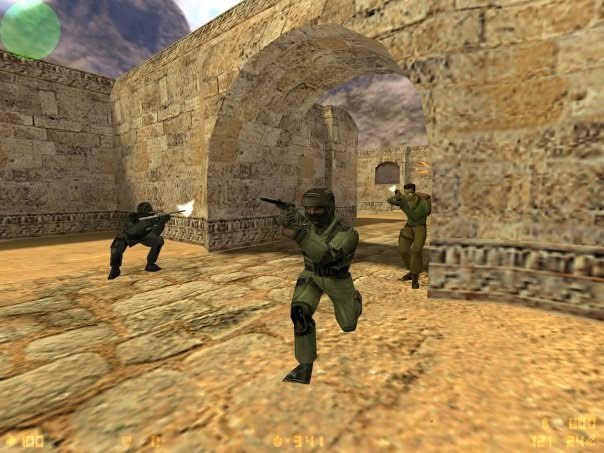
Counter-Strike 1.6 may no longer dominate headlines, but its effects are far from gone. The game acted as both a catalyst for competitive gaming and a psychological training ground for real-time strategic thinking. While some users developed healthy reflexes and teamwork, others report signs of irritability and social detachment after years of exposure.
In a world now saturated with immersive gaming experiences, CS 1.6 stands as a reminder: simple design and high stakes can leave a deep and lasting impact—not only on how games are made, but on how we think, act, and connect.
📌 Photo Source:
Image source: Official Facebook page of Counter-Strike
Illustrated image – created for visual purposes. Does not depict a real game scene.