
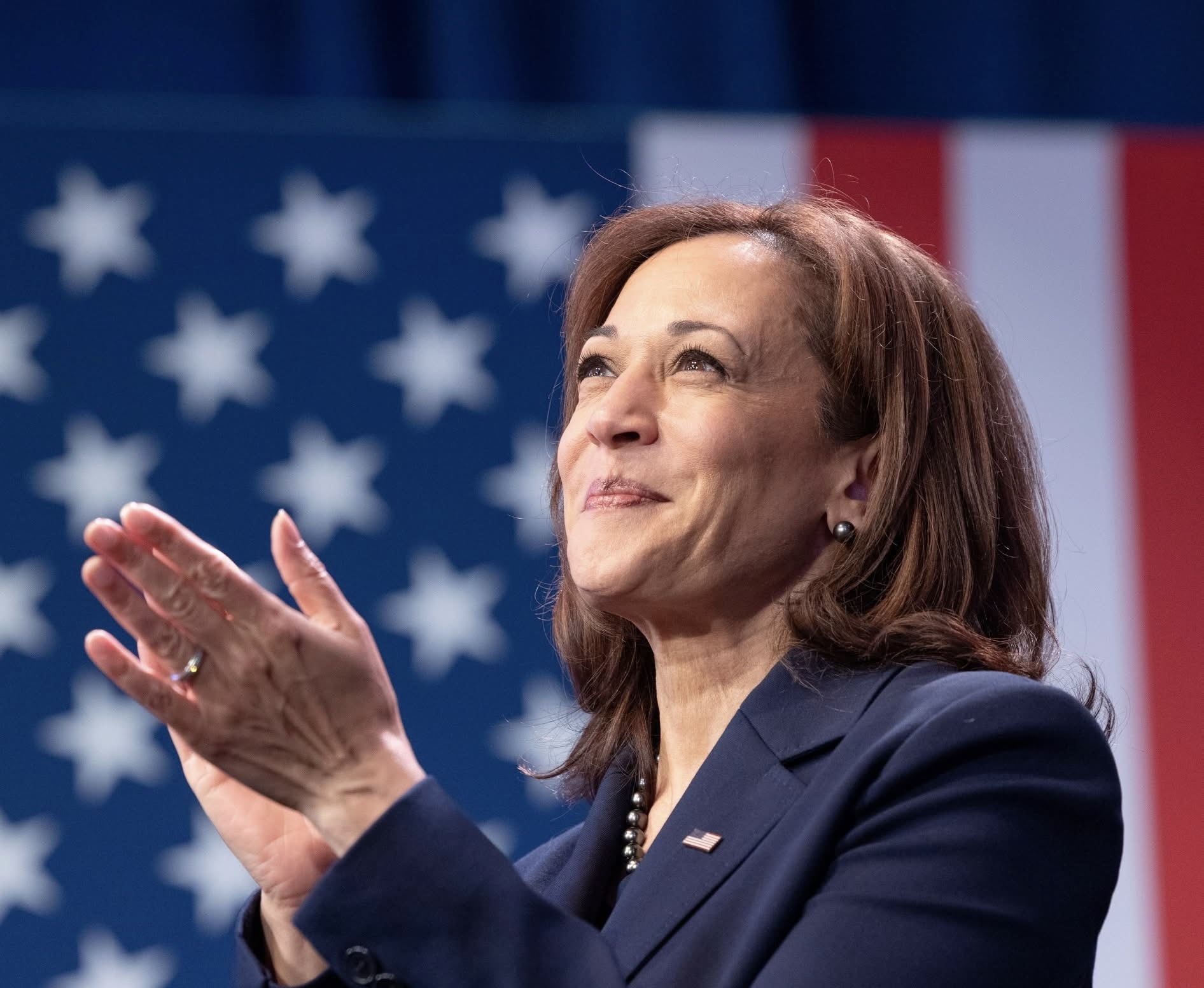

Former Vice President Kamala Harris will no longer receive Secret Service protection after President Donald Trump revoked an extension granted earlier this year, according to U.S. officials.
Under federal law, Harris was entitled to six months of security detail following her departure from office in January 2025. That protection was scheduled to end in July but had been quietly extended for an additional year through an order signed by then-President Joe Biden.
The extension, however, was rescinded in a memo signed by Trump on Thursday, instructing the Secret Service to end any additional measures “beyond those required by law” beginning September 1. A senior White House official confirmed the directive, which coincides with Harris’ upcoming national book tour to promote 107 Days, a memoir of her 2024 presidential campaign.
Political Repercussions
The decision sparked criticism from California Governor Gavin Newsom and Los Angeles Mayor Karen Bass, who argued the move was politically motivated.
“This is another act of retaliation,” Bass told CNN, warning that Harris’ safety could be compromised. She pledged that Los Angeles authorities would coordinate to ensure Harris remains protected while in the city.
The White House, meanwhile, defended the order, pointing to a recent threat assessment that found “no extraordinary risks” justifying continued taxpayer-funded security beyond the legally mandated timeframe.
Precedents and Comparisons
In 2008, Congress passed legislation granting former vice presidents, their spouses, and children under 16 limited Secret Service protection. Harris’ husband, Doug Emhoff, saw his detail expire on July 1 under this rule.
Since returning to office in January, Trump has revoked protections for several high-profile figures, including Hunter and Ashley Biden, Dr. Anthony Fauci, and former national security adviser John Bolton. Critics argue these actions reflect a pattern of political payback, while supporters insist they are cost-saving measures aligned with the law.
Harris’ security risks were often heightened during her time in office as the first woman and first person of color to serve as vice president. Past cases have shown that she was the subject of multiple threats, including one in 2024 when a Virginia man was charged with plotting violence against her and former President Barack Obama.
Costs of Private Security
If Harris chooses to replace her former detail with private protection, experts estimate the expenses could reach several million dollars annually, covering personal bodyguards, surveillance, and property security.
Political Retaliation or Fiscal Responsibility?
Trump’s decision to revoke Kamala Harris’ Secret Service protection highlights the sharp political divisions defining Washington. On paper, the administration’s argument rests on legal grounds: Harris had already received more than the mandated six months of coverage, and the latest risk assessment showed no imminent threats. From this perspective, the move reflects a strict adherence to law and budgetary discipline.
However, the broader political context cannot be ignored. Harris remains one of the most prominent Democratic figures, and her visibility is expected to increase with the release of her book and public appearances. By ending her protection now, Trump risks fueling claims of partisanship and retaliation—particularly since several other well-known critics have also seen their protections stripped since his return to the White House.
The decision also raises deeper questions about how the U.S. balances legal limits with evolving political realities. Former vice presidents, especially groundbreaking figures like Harris, may face heightened long-term risks that are not fully captured in routine threat assessments. Cutting protections at a sensitive moment could leave gaps that opponents and allies alike will closely watch.
In the end, whether this move is seen as an act of revenge or simply a cost-saving legal measure will depend less on statutes and more on public perception—and Harris’ ability to navigate her future without the shield of federal protection.