
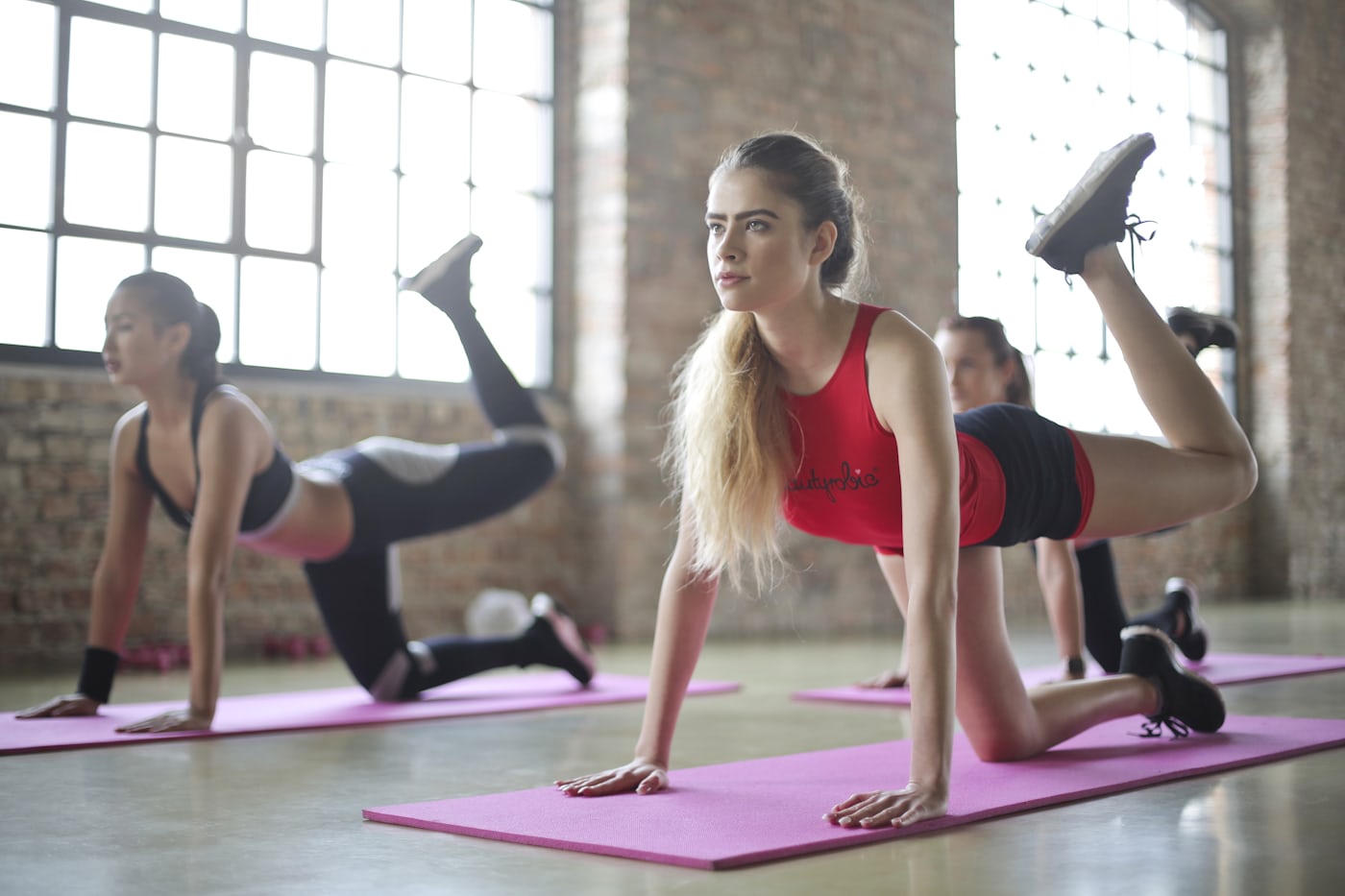

For two years, I have attended the same mat Pilates class after work. Each session leaves me with burning thighs, sweat dripping down my mat, and a constant reminder from my instructor to “stay in your body.” The words echo in my head as I push through the discomfort, wondering if this workout is about more than just strength.
Recently, however, a different form of Pilates has captured attention worldwide: reformer Pilates. Unlike mat routines, reformer classes use a machine that adds resistance and support, making the workout more structured but also more intimidating. It is this version that has become the most-booked class on ClassPass for two years in a row, with Google searches for reformer Pilates steadily climbing since 2022.
The Rise and Reputation of Reformer Pilates
Pilates was never intended as a luxury workout. Joseph Pilates, a German physical education instructor, first developed the method in the 1920s while rehabilitating injured soldiers from World War I. His “Contrology” system blended elements of dance, meditation, and breathwork, later evolving into the practice we know today.
Over the decades, Pilates transitioned from medical rehabilitation to Hollywood’s favorite fitness trend. Its association with “long and lean” bodies — often marketed toward affluent, white women — helped fuel a stereotype: Pilates as a glamorous, body-sculpting routine for the elite.
That perception continues today. TikTok aesthetics like the “Pink Pilates Princess” reinforce an image of expensive workout sets, toned waists, and picture-perfect studio settings. For critics, the resurgence of Pilates in the age of weight-loss drugs and shrinking body ideals feels like a cultural step backward, a return to valuing women more for appearance than for strength or health.
Beyond Image: The Real Benefits
Despite these stereotypes, Pilates offers undeniable health benefits. Studies show that practicing even once a week can improve flexibility, core strength, posture, and balance. Among older adults, Pilates can help slow aspects of aging, particularly mobility loss. It has also been linked to reduced anxiety and depression, making it a holistic tool for physical and mental well-being.
For some, the machine is not a torture device but a friend. Reformer Pilates provides support for individuals with chronic pain or physical limitations, while still offering a challenging workout. Classes often bring together diverse age groups, from retirees focused on maintaining mobility to young professionals seeking balance after stressful workdays.
A Split in Purpose
The cultural debate remains: is Pilates about health or appearance? For many younger women, the allure still ties back to looking “lean” and “toned.” For older participants, it is more about preserving strength and community.
This duality reveals something deeper. As Professor Louise Mansfield of Brunel University notes, exercise for women has historically been framed within ideals of femininity. From Victorian tennis in long skirts to 1980s Jane Fonda workout tapes, the goal has rarely been only health — it has almost always been about body image, too.
Staying in the Body
At the end of the day, Pilates is both a physical practice and a mirror of cultural expectations. Some embrace it as a path to inner strength, while others chase its promise of sculpted aesthetics. Both realities exist at once.
Back in my weekly mat class, I return to my instructor’s mantra: “Stay in your body.” Perhaps that is the ultimate lesson — to move, breathe, and strengthen, even while society continues to judge what our bodies should look like.
Pilates is more than a fitness trend; it reflects how society views bodies, especially women’s. While it began as a rehabilitation tool rooted in strength and wellness, over time it has been repackaged into a status symbol, tied to thinness, wealth, and social media aesthetics.
The modern Pilates boom demonstrates two truths:
- Its real value — improved health, flexibility, community, and stress relief.
- Its cultural baggage — the persistent link between women’s worth and appearance.
This tension is unlikely to disappear. Yet, acknowledging it can help people reclaim Pilates for what it truly offers: empowerment through mindful movement, not just conformity to beauty standards.