
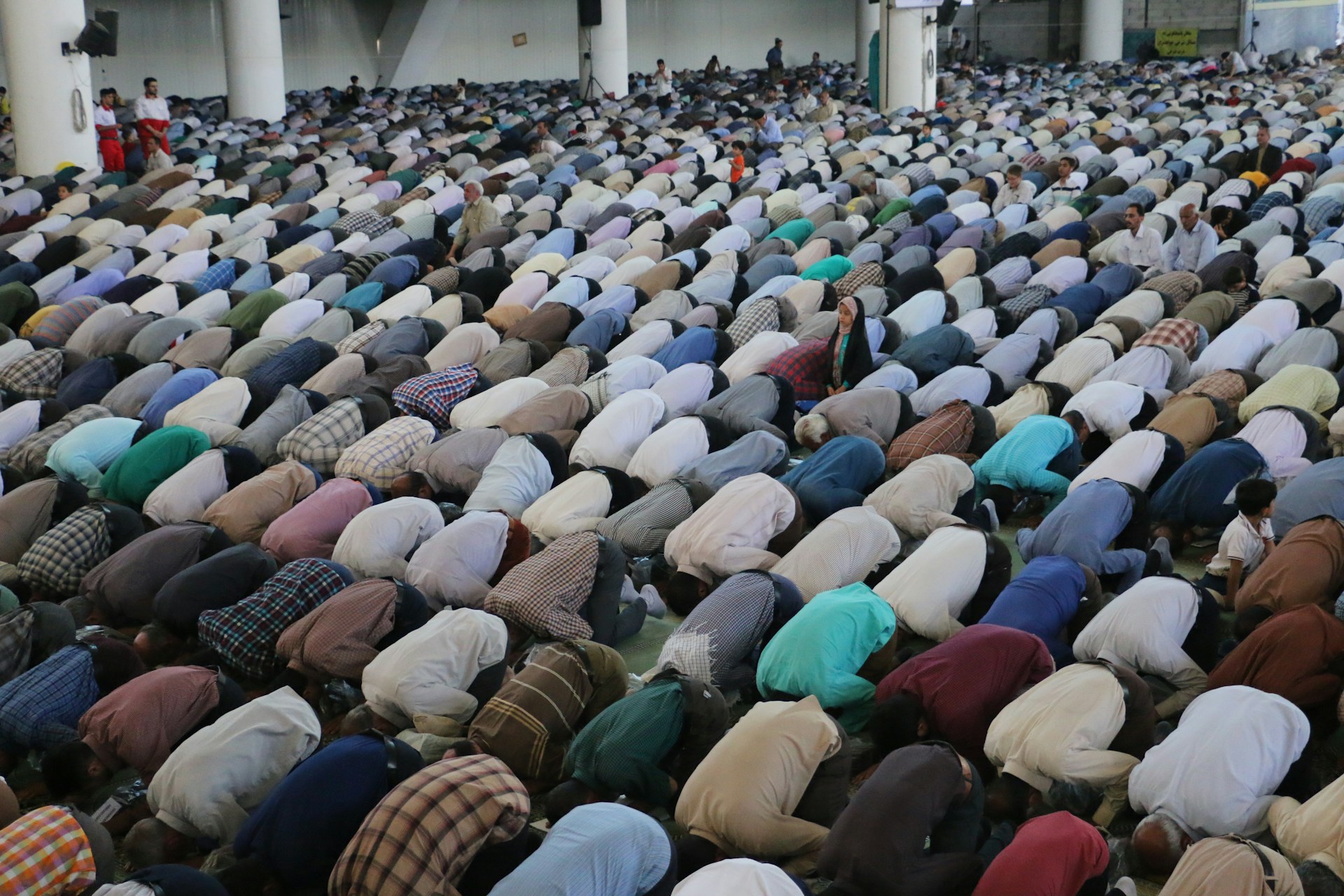

A Shocking Scene That Sparked Global Outrage
A disturbing video has surfaced from India, showing police officers violently dispersing a group of Muslims who were peacefully performing their prayers in the street. The footage, now going viral across multiple social media platforms, has ignited debates on religious freedom, police accountability, and the growing concerns of minority rights in India.
The clip, reportedly filmed in [insert city/state if verified], captures men kneeling in prayer as part of a congregational gathering, only to be interrupted by baton-wielding officers. Within seconds, the atmosphere of solemn worship turned into one of chaos and fear.
Witnesses claim that the worshippers had gathered due to the lack of available mosque space, a common issue in many urban centers. Instead of facilitating the crowd or ensuring public order respectfully, the police response appeared excessively forceful.
📹 What the Video Shows
The video begins with rows of worshippers on the pavement, bowing in prayer. Suddenly, uniformed police rush into the scene, swinging batons at the men. Shouts, panic, and scattered belongings follow as individuals scramble to protect themselves.
Some worshippers are seen shielding their heads with their hands while others attempt to continue their prayers despite the assault. The brutality of the moment — men of faith beaten while kneeling — has made this footage especially haunting to viewers worldwide.
International human rights organizations have described the incident as “deeply concerning” and “a violation of fundamental rights.”
⚖️ Religious Freedom Under Scrutiny
India’s constitution guarantees the right to freedom of religion and the ability to practice and propagate faith peacefully. However, incidents like this raise serious questions about whether these rights are being upheld equally for all communities.
This is not the first time that clashes have erupted during public prayers. In several Indian states, restrictions have been placed on Muslims performing their weekly congregational prayers (Jumu’ah) in open spaces. Authorities cite reasons such as traffic disruptions and security concerns, but critics argue these measures are disproportionately applied and often discriminatory.
🌐 International Reaction
The video has spread far beyond India’s borders. On platforms like X (formerly Twitter), Instagram, and TikTok, millions of viewers have expressed anger and solidarity with the victims. Hashtags such as #StopPoliceBrutality and #StandForMuslims have trended globally.
Prominent activists and political figures have weighed in:
- Human Rights Watch called for an immediate investigation into the incident.
- Amnesty International labeled it as “a blatant abuse of power.”
- Several journalists and social commentators highlighted the chilling symbolism of believers being beaten mid-prayer.
🔍 The Broader Context
The incident comes amid a wider debate over religious tolerance in India. Over the last few years, multiple reports have documented rising tensions between majority and minority communities. Public prayer bans, mosque demolitions, and vigilante attacks have become increasingly frequent flashpoints.
Experts warn that these developments not only undermine India’s democratic values but also risk deepening divisions within society.
Dr. [Insert Name], a South Asian political analyst, explains:
“What makes this incident particularly striking is the imagery — men in prayer, an act of devotion, violently interrupted. It becomes more than a local issue; it resonates as a global question about how we treat the vulnerable and whether basic rights are respected.”
💔 Human Impact
Beyond the political and legal debates, the victims themselves bear the scars. In interviews conducted after the incident, several worshippers described feeling humiliated, traumatized, and unsafe practicing their faith in public again.
One man, who asked not to be named, shared:
“We were simply praying. We had no weapons, no slogans, just our faith. Suddenly, we were treated like criminals. It is something I will never forget.”
Stories like his highlight that the fallout is not only physical but deeply emotional and psychological.
📈 Why This Video Went Viral
Psychologists who study online behavior note that certain elements make content spread rapidly. In this case:
- Shock Value: Peaceful worship juxtaposed with sudden violence creates an emotional jolt.
- Symbolism: Prayer represents purity and devotion, making its violation particularly impactful.
- Universal Values: Religious freedom and human dignity are values that resonate across cultures.
- Visual Power: The raw, unfiltered nature of the footage captures attention in ways text cannot.
For these reasons, the video has sparked not only outrage but also solidarity movements around the globe.
🚨 What Comes Next?
Authorities in India have yet to issue a detailed public statement on the incident. Human rights organizations are calling for:
- An independent investigation into the actions of the police officers involved.
- Assurance that minority communities can safely practice their faith without fear of harassment.
- Clear guidelines to prevent excessive use of force in situations involving religious gatherings.
Global leaders and watchdog groups are watching closely, aware that this is more than just a local issue — it is a test of India’s commitment to human rights and democratic values.
📝 Conclusion
The video of Indian police beating Muslims mid-prayer has shaken consciences worldwide. It forces uncomfortable but necessary conversations about the state of religious freedom, police accountability, and minority rights in the world’s largest democracy.
While debates continue in political and legal arenas, the human reality remains clear: no one should be beaten for practicing their faith peacefully.
This incident is a reminder that the struggle for justice and equality is ongoing — and that viral moments, however painful, can serve as powerful catalysts for change.