
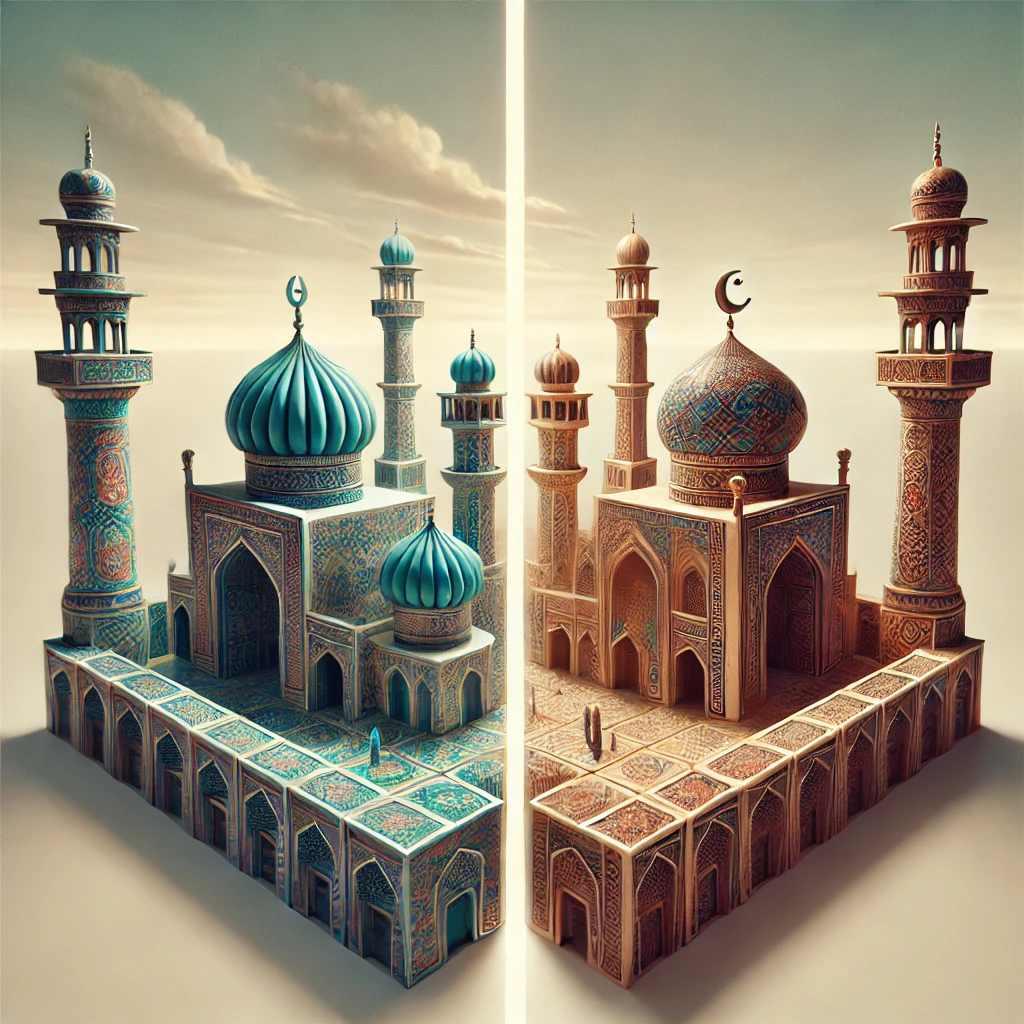

Islam is a universal faith, but its interpretation and practice vary widely across regions. Among the most distinct expressions of Islam is found in Iran. So, what sets Iranian Muslims apart from other Muslims worldwide?
1. Shia vs Sunni – The Core Divide
Unlike most Muslim-majority countries where Sunni Islam dominates, about 90–95% of Iranians are Shia, particularly from the Twelver sect (Ithna Ashariyyah).
This branch places strong emphasis on the descendants of Imam Ali, believing in divinely appointed leaders (Imams). In contrast, Sunnis follow a more decentralized model of religious leadership.
2. The Rule of the Supreme Leader – Wilayat al-Faqih
Iran is unique for its political-religious system known as “Wilayat al-Faqih”, where a religious scholar (Ayatollah) holds ultimate political authority. This model does not exist even in other Shia-majority nations like Iraq or Azerbaijan.
3. Ashura and Religious Rituals
One of the most visible differences is the commemoration of Ashura, mourning the martyrdom of Imam Hussein. In Iran, it is marked by large public processions and emotional rituals, some involving acts of symbolic mourning. Such practices are uncommon in Sunni-majority regions.
4. Spiritual and Mystical Emphasis
Iranian Shia Muslims often emphasize pilgrimage to Imam shrines, emotional supplications (duas), and a mystical approach to faith. These differ from the more jurisprudence-centered Sunni traditions.
5. Fusion of Culture and Religion
Iran’s Islamic identity is deeply shaped by Persian culture—from poetry and music to architecture and traditions. This cultural fusion makes the Iranian Islamic experience distinct from that of Arab, South Asian, or Southeast Asian Muslims.
6. Religious Legal System
In Iran, Sharia law is implemented through a centralized religious legal system, governed by clerics. Other countries like Egypt or Turkey may integrate Islamic principles into law but often under secular or hybrid frameworks. In conclusion, Iranian Muslims represent a unique and historically rich interpretation of Islam, shaped by theology, politics, and culture. Understanding these differences fosters better cross-cultural awareness and reduces harmful stereotypes.