
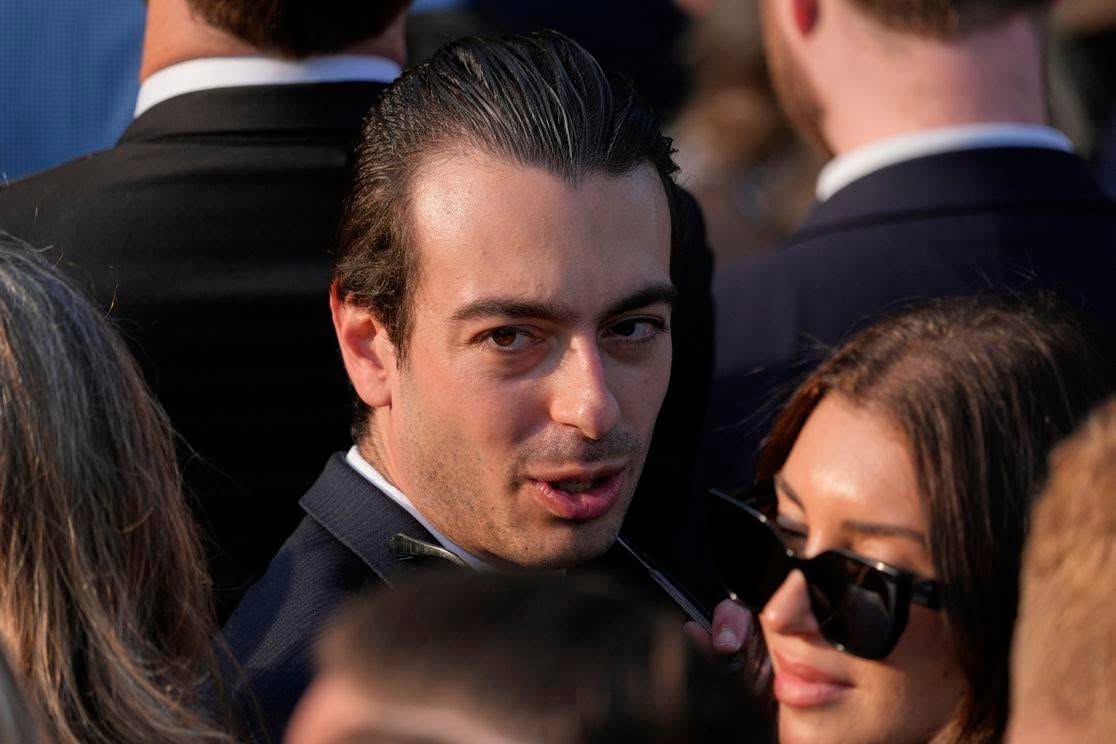

President Donald Trump’s nominee to lead the U.S. Office of Special Counsel (OSC) — an independent agency responsible for protecting whistleblowers and ensuring federal accountability — has officially withdrawn from his Senate confirmation hearing, citing a lack of sufficient support among Republican lawmakers.
In a statement released on Tuesday, the nominee said he did not have the “Republican votes at this time” to move forward, acknowledging that proceeding without the necessary backing would have been “impractical and counterproductive.”
⚖️
Background: The Role and the Controversy
The Office of Special Counsel plays a critical role in protecting federal whistleblowers, enforcing the Hatch Act, and ensuring that government employees can report misconduct without fear of retaliation.
The Trump nominee’s withdrawal comes after weeks of scrutiny from both sides of the political aisle, with lawmakers expressing concern over his past statements and potential conflicts of interest related to oversight cases involving political appointees.
🏛️
Political Reactions Across the Aisle
Senators from both parties reacted quickly following the withdrawal.
Democratic leaders welcomed the move, saying it “preserves the independence of an essential office.”
Meanwhile, some Republican senators, while maintaining respect for the nominee, agreed that more time was needed to “build consensus and confidence in the nomination.”
“This position demands complete independence and trust. We simply weren’t there yet,” one GOP aide told reporters anonymously.
🔍
Why the Nomination Struggled
Political analysts point to three key reasons why the nomination stalled:
- Internal GOP Division: Despite Trump’s strong influence in the party, some Republican senators were hesitant to support a nominee seen as too politically tied to the White House.
- Whistleblower Sensitivity: The OSC’s role in overseeing whistleblower protection is a politically charged topic—particularly after recent high-profile cases involving government agencies.
- Timing and Strategy: With the administration focusing on other priorities and Senate control tight, the vote risked becoming a distraction during key legislative battles.
💬
Official Statement
In his brief statement, the nominee thanked President Trump for his confidence and said he hoped to “continue serving the country in other ways.”
He also emphasized that protecting whistleblowers remains a “vital cornerstone of transparent government.”
🧩
What Happens Next
The White House has not yet announced whether a replacement nominee will be submitted.
For now, the current acting Special Counsel will remain in charge until a new candidate is confirmed.
Analysts note that this withdrawal may temporarily stall progress on pending whistleblower investigations and internal reforms but also opens the door for a less divisive nominee in the near future.
🇺🇸
The Bigger Picture
This event underscores the political tension between loyalty and independence within federal oversight institutions.
While Trump’s allies continue to emphasize the need for “strong leadership,” critics argue that integrity and impartiality should outweigh political alignment when selecting such key watchdog roles.