


In a bombshell revelation that could drastically escalate tensions in the already volatile Middle East, a senior Iranian commander has claimed that Pakistan is prepared to launch a nuclear strike against Israel if the Jewish state dares to use atomic weapons on Iran.
General Mohsen Rezaee, a high-ranking officer in Iran’s elite Revolutionary Guards (IRGC) and a member of the National Security Council, made the explosive statement in a recent interview picked up by international media.
“Pakistan has assured us that if Israel uses a nuclear bomb against Iran, they will respond by striking Israel with a nuclear weapon,” Rezaee alleged, calling for a unified Islamic front against what he described as “Zionist aggression.”
This bold declaration has sent shockwaves through diplomatic circles, raising serious concerns about the possibility of a multi-nation nuclear confrontation.
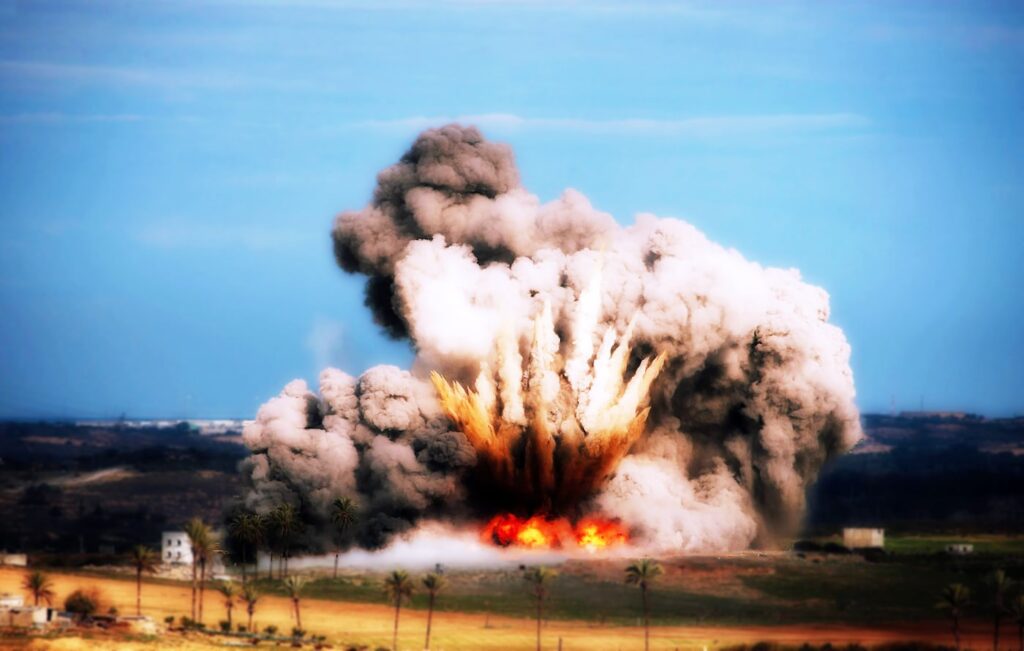
Pakistan and Israel are two of the nine nuclear-armed nations in the world. While Israel has never officially confirmed its nuclear arsenal, experts widely believe it possesses dozens—if not hundreds—of warheads. Pakistan, on the other hand, openly maintains its nuclear capabilities, largely aimed at deterring archrival India.
If true, Rezaee’s statement suggests a historic shift in regional alliances, with Pakistan potentially ready to engage in a nuclear conflict over an Iranian cause—an unprecedented development that could redraw geopolitical fault lines.
However, the Pakistani Defense Ministry quickly distanced itself from the remarks. Defense Minister Khawaja Asif firmly denied any such nuclear pledge to Iran.
“Pakistan is a signatory to all international nuclear regulations. Our nuclear capability is solely for the defense of our people and against hostile threats,” he stated.
While denying the alleged commitment, Asif didn’t downplay the gravity of the current regional crisis.
“The Western world must realize that the escalation triggered by Israel could engulf the entire Middle East. Supporting a deceitful state like Israel could lead to catastrophic consequences,” he warned.
Tensions have soared in the aftermath of Israel’s airstrikes on Iranian military infrastructure, an operation that followed Tehran’s support for various militant groups in the region. For decades, the two nations have fought a shadow war through proxies, cyberattacks, and assassinations. But now, the shadow appears to be lifting—replaced by the very real threat of full-scale war.
With Iran vowing retaliation and voices within its leadership calling for global Islamic solidarity, the potential for a larger regional conflict looms larger than ever. The latest nuclear comments—whether exaggerated or credible—reveal just how thin the line is between rhetoric and reality.
Although Pakistan and Iran share a border and religious ties, Islamabad has historically pursued a balancing act between its Gulf allies, including Saudi Arabia, and its ties with Iran. A nuclear threat on behalf of Tehran would mark a seismic change in policy—and risk diplomatic fallout with the U.S., Israel’s key ally.
Experts argue that Rezaee’s statement might be more political theater than policy, designed to project strength and unity in a time of regional crisis. Still, such rhetoric carries weight in a region where words often precede missiles.
With world powers urging de-escalation, and alliances shifting under the pressure of war drums, the Middle East may be approaching a point of no return.
Sources:
- Telegrafi
- BBC
- Al Jazeera
- Pakistani Ministry of Defense
- Iranian State Media