
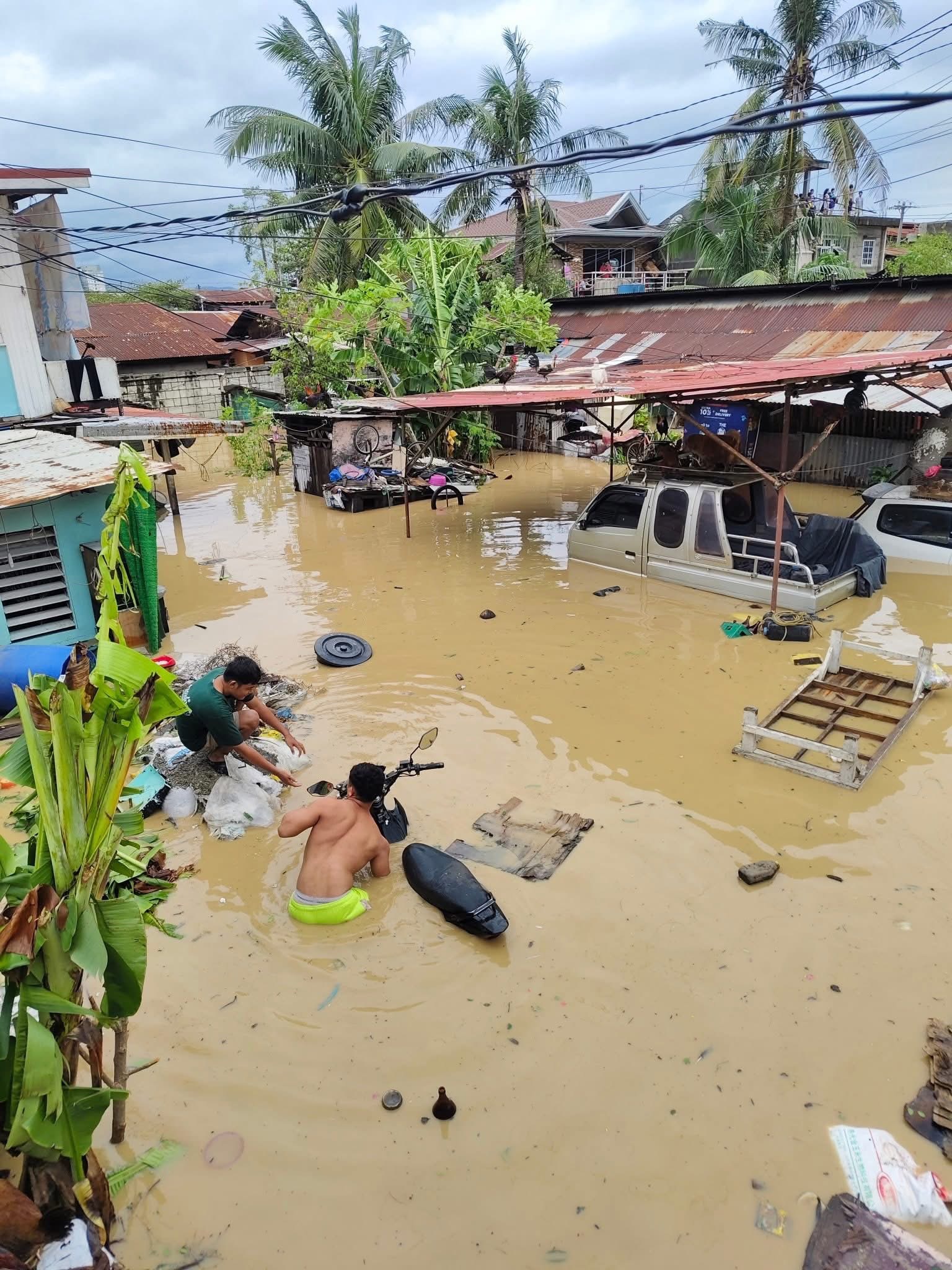

A powerful typhoon has struck the Philippines, bringing with it strong winds, torrential rain, and widespread flooding across several provinces. Local authorities have declared a state of emergency as thousands of residents were forced to evacuate their homes overnight.
According to the Philippine Atmospheric, Geophysical and Astronomical Services Administration (PAGASA), the typhoon made landfall early Wednesday morning, packing winds of more than 180 kilometers per hour. Coastal areas have been hit the hardest, with power outages, destroyed homes, and submerged roads reported across the affected regions.
Rescue teams are currently working to reach isolated communities that remain cut off due to landslides and damaged bridges. The National Disaster Risk Reduction and Management Council (NDRRMC) confirmed that dozens of municipalities have been affected, and authorities are prioritizing rescue operations and the distribution of relief goods.
“The winds were terrifying — our roof flew off, and the water level rose so fast we barely had time to escape,” said one resident from the Bicol region, one of the areas most severely impacted by the storm.


The typhoon has disrupted transport and communication networks across the country. Several flights were canceled, schools remain closed, and government offices in high-risk areas have been instructed to suspend operations until conditions stabilize.
Environmental experts have once again linked the increasing intensity of tropical storms in Southeast Asia to climate change, warning that rising ocean temperatures are fueling stronger and more frequent typhoons. The Philippines, located within the Pacific “Typhoon Belt,” experiences an average of 20 storms per year — but the scale and power of recent ones have caused growing concern.


President Ferdinand Marcos Jr. called for calm and urged citizens to follow evacuation orders and official updates. Humanitarian organizations are already coordinating with local governments to deliver emergency aid, including food, clean water, and medical supplies.
As the storm continues to move northwest, authorities are monitoring potential secondary threats such as flooding and landslides. Early forecasts suggest that the typhoon could weaken in intensity over the next 24 hours, but heavy rain remains a major concern in mountainous and coastal regions.


The Philippines faces yet another reminder of its vulnerability to extreme weather events. This typhoon highlights the urgent need for improved infrastructure, early warning systems, and sustainable climate policies. While government agencies are working swiftly to provide relief, the country’s exposure to recurring natural disasters underscores the importance of long-term adaptation strategies rather than reactive responses.