
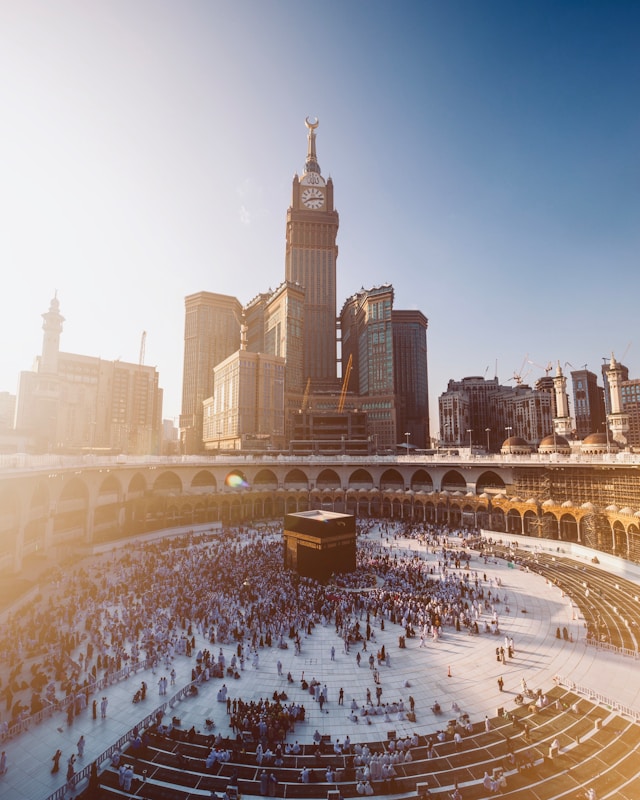
 in Islam — a sacred day of prayer, reflection, unity, and renewal that connects believers worldwide in peace and gratitude.)
Every week, as the sun rises on Friday morning, a special rhythm begins in the hearts of over a billion Muslims worldwide. Known as Jumu’ah in Arabic, this day represents much more than just the end of the week — it is a sacred gift in Islam, a time for reflection, gratitude, and connection with the Creator.
Friday is the most blessed day of the week, often described as “the master of days.” Muslims around the world view it as a time to renew faith, seek forgiveness, and strengthen the bonds of community through collective worship and reflection.
The Origin and Meaning of
Jumu’ah
The word Jumu’ah (الجمعة) comes from the Arabic root jama’a, which means “to gather” or “to assemble.” Historically, it refers to the congregational gathering of Muslims for the special Friday prayer, but spiritually, it signifies something deeper — the unification of believers under the remembrance of God.
According to Islamic tradition, Allah chose Friday as a day of mercy and guidance. In the Qur’an, Surah Al-Jumu’ah (62:9) commands believers:
“O you who believe! When the call is proclaimed for the prayer on Friday, hasten to the remembrance of Allah and leave off trade. That is better for you, if you only knew.”
This verse captures the spiritual essence of the day — setting aside worldly concerns to reconnect with faith and the divine purpose of life.
The Special Virtues of Friday
Islamic teachings describe numerous blessings associated with Friday. The Prophet Muhammad (peace be upon him) said:
“The best day the sun rises upon is Friday; on it, Adam was created, on it he was admitted to Paradise, and on it he was expelled from it.” (Sahih Muslim)
He also mentioned that on Friday there is a special hour — known as Sa’at al-Ijabah — during which all sincere prayers (duas) are accepted. Many scholars believe this blessed hour occurs in the late afternoon, just before sunset.
In this way, every Friday becomes a spiritual opportunity for believers to seek forgiveness, pray for blessings, and renew their faith in a personal and communal way.
The Friday Prayer (
Salat al-Jumu’ah
)
At the heart of Friday lies Salat al-Jumu’ah, the weekly congregational prayer that replaces the regular midday (Dhuhr) prayer. It consists of two units (rak’ahs) preceded by a sermon (Khutbah).
The Khutbah serves as both a moral and social message. Imams use it to remind the community of ethical conduct, compassion, charity, and faith. The sermon can also address issues of social justice, community unity, and current challenges faced by society — making it a powerful moment of reflection and renewal.
Attending the Friday prayer is a major spiritual duty for Muslim men, while women can attend voluntarily. The Prophet Muhammad (peace be upon him) emphasized the immense reward of attending Jumu’ah prayer with sincerity and focus.
Preparation for
Jumu’ah
: Cleanliness and Spiritual Readiness
Islam places great importance on physical and spiritual purity, especially on Fridays. Believers are encouraged to perform Ghusl (ritual purification), trim their nails, wear clean clothes, and apply perfume before heading to the mosque.
The Prophet Muhammad (peace be upon him) said:
“Whoever performs Ghusl on Friday, wears the best of his clothes, applies perfume if he has any, then goes to the Friday prayer and listens attentively to the sermon, his sins between that Friday and the next will be forgiven.” (Sahih al-Bukhari)
These rituals symbolize renewal — not only of the body but also of the soul. They represent leaving behind the worries of the past week and entering a state of peace and awareness.
The Social and Community Impact of Friday
Friday is not just about individual worship; it’s also a day that strengthens community ties. The mosque becomes a place of unity where Muslims of all backgrounds, races, and languages stand shoulder to shoulder in prayer — a visual reminder of equality before God.
After prayer, families often share meals, visit relatives, and spend time in reflection. In many Muslim-majority countries, Friday is considered a public holiday, allowing time for spiritual and family connection.
Even in non-Muslim societies, Muslims take time from their busy schedules to attend Jumu’ah, often organizing community gatherings, charity events, and lectures to promote understanding and peace.
The Day of Blessings and Forgiveness
Friday is also a day for seeking divine forgiveness. Many Muslims recite Surah Al-Kahf (Chapter 18 of the Qur’an) on this day, as it is believed to bring light, protection, and wisdom for the coming week.
Another recommended practice is sending Salawat (blessings) upon the Prophet Muhammad (peace be upon him). The Prophet said:
“Increase your sending of blessings upon me on the day and night of Friday, for your blessings are presented to me.” (Sunan Abu Dawood)
Through such actions, believers are reminded of compassion, humility, and gratitude — the essence of Islamic spirituality.
The Connection Between Friday and the Afterlife
In Islamic belief, Friday also holds a profound connection with the Day of Judgment. It is said that the final hour — the end of the world — will occur on a Friday. This belief adds to the day’s sacredness and sense of spiritual awareness.
Many Muslims visit graves on Friday to pray for their loved ones, reflecting on the temporary nature of life and the eternal journey of the soul. This act fosters humility and motivates believers to live righteously and do good deeds.
The Universal Message of
Jumu’ah
While deeply rooted in Islamic faith, the message of Jumu’ah extends beyond religious boundaries. It reminds all humanity — regardless of faith — about the importance of rest, reflection, and community.
Just as different faiths have their sacred days (Saturday for Jews, Sunday for Christians), Friday serves as Islam’s weekly spiritual renewal. It is a rhythm of devotion that strengthens the moral fabric of society.
Understanding Jumu’ah provides insight into the harmony of Islamic life — a balance between worship, work, family, and compassion.
Conclusion
Friday in Islam is not merely a day of prayer — it is a celebration of faith, peace, and unity. It offers Muslims a chance to pause, cleanse the heart, and realign with their divine purpose.
Through prayer, reflection, and compassion, Jumu’ah becomes a weekly reminder that spirituality and community are intertwined. It is a day that calls for forgiveness, gratitude, and hope — a timeless message that resonates far beyond the Muslim world.