
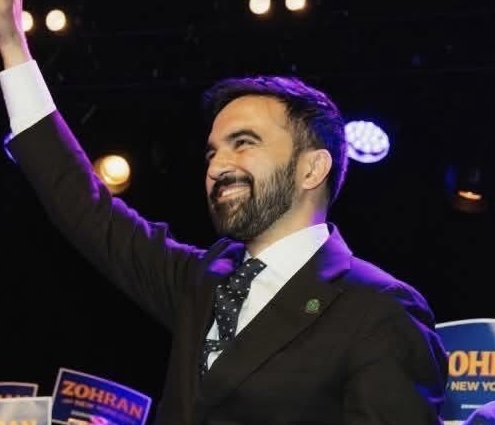

After a remarkable political ascent that captivated progressives nationwide, Zohran Mamdani, 34, now confronts the hard realities of governing the country’s largest and most complex metropolis. With limited managerial experience, the incoming New York City mayor-elect will inherit a city of immense promise — and equally immense challenges — when he takes office on January 1.
The New York City Mamdani steps into is standing at a post-pandemic crossroads. Wall Street’s strong performance has boosted tax revenues beyond expectations. Tourism is rebounding, and office workers have returned at higher rates than in most U.S. cities, lending stability to a commercial real estate sector that was once teetering.
Yet beneath this surface optimism lies a fragile fiscal foundation. Budget analysts warn of looming shortfalls in the coming years, as rising costs and spending commitments outpace revenue growth. Mamdani’s proposed progressive tax policies — central to his campaign message — have raised concerns among business leaders and affluent residents who threaten to relocate if taxes increase.
Those fears may intensify further if President Trump’s administration follows through on plans to cut federal funding to New York, potentially stripping the city of billions in aid.
“Whoever holds this office will have to confront an increasingly troubling fiscal picture for both the city and the state,” said Seth Pinsky, former head of economic development under Mayor Michael Bloomberg.
As Mamdani prepares to transition from activist to administrator, observers note that his greatest opponent may not be political — but mathematical. The balance sheets, not ideology, could define his early years in office.
“The next mayor’s most unforgiving constituent,” Pinsky added, “is likely going to be math.”