
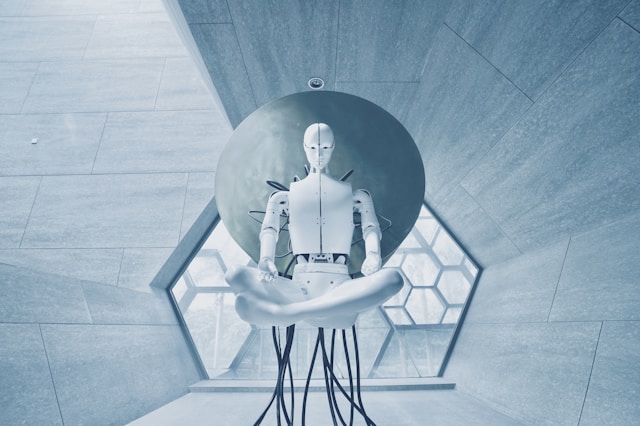

The way we work is undergoing one of the most dramatic transformations in history. By 2025, artificial intelligence, automation, and advanced digital tools are not just enhancing productivity — they are redefining entire industries and career paths.
From finance and marketing to healthcare and logistics, businesses are adopting technology to optimize workflows, reduce costs, and stay competitive in a global economy. Employees, freelancers, and entrepreneurs alike must understand these trends to thrive in the evolving workplace.
1. AI-Powered Workplaces Are Here
Artificial intelligence is no longer a “future concept.” Today, AI-driven tools assist with:
- Data analysis and reporting in real-time
- Automated customer service via chatbots and voice assistants
- Predictive insights for sales, marketing, and operations
According to Gartner, over 70% of large companies will adopt AI-driven automation tools by the end of 2025, making routine tasks faster and more efficient.
2. Remote Work Meets Digital Intelligence
The hybrid and remote work revolution is here to stay. AI and collaboration platforms like Microsoft Teams, Slack, Zoom, and Notion AI are creating virtual offices where productivity is seamless:
- Smart scheduling eliminates conflicts automatically
- AI summarizes meetings and emails in seconds
- Real-time analytics monitor team performance and engagement
This shift is increasing efficiency while also redefining how teams collaborate globally.
3. Automation Is Reshaping Job Roles
Automation is transforming tasks across industries:
- Manufacturing robots handle repetitive, dangerous, or precision-based work
- AI algorithms manage supply chains and logistics
- Marketing automation optimizes campaigns and predicts customer behavior
While some roles may become obsolete, new roles are emerging in AI management, cybersecurity, data analysis, and digital strategy. For example, LinkedIn predicts that AI-related job postings will increase by over 60% by 2025.
4. Upskilling and Reskilling Are Critical
The workforce must adapt to survive in the AI-driven world. Professionals are investing in:
- AI and machine learning training
- Data analytics and visualization skills
- Digital marketing and automation expertise
Companies that provide continuous learning programs retain talent longer and increase productivity, while employees with digital skills see higher salaries and career advancement opportunities.
5. Ethical AI and Human-Centric Design
As AI becomes more integrated, companies must focus on ethics:
- Transparent decision-making
- Bias-free algorithms
- Respect for privacy and data protection
Businesses that adopt human-centric AI build trust with employees and customers, creating sustainable growth.
6. The Rise of the Gig Economy and Digital Freelancers
AI-powered platforms are empowering freelancers to compete globally. Platforms like Upwork, Fiverr, and Toptal leverage AI for:
- Smart job matching
- Automated payment and invoicing
- Performance tracking
This creates opportunities for remote work and entrepreneurship, while offering businesses access to a global talent pool.
7. The Intersection of AI, Finance, and Productivity
Finance teams are adopting AI to:
- Automate expense management
- Forecast cash flows using predictive analytics
- Optimize investment portfolios with AI-driven insights
Companies leveraging these tools reduce operational costs by 30–50% while improving decision-making accuracy.
8. Future Outlook
By 2025, the future of work will be defined by:
- Collaboration between humans and AI
- Continuous learning and reskilling
- Ethical and responsible technology adoption
- Flexible, global work arrangements
Businesses and professionals who embrace these changes early will dominate their industries, while those who resist may be left behind.
Conclusion:
The future of work is not just about technology — it’s about adaptation, learning, and collaboration. AI, automation, and digital tools will continue to reshape careers, industries, and global economies.
The key question for 2025 is: Are you preparing your workforce, your skills, and your business to thrive in an AI-driven world?