
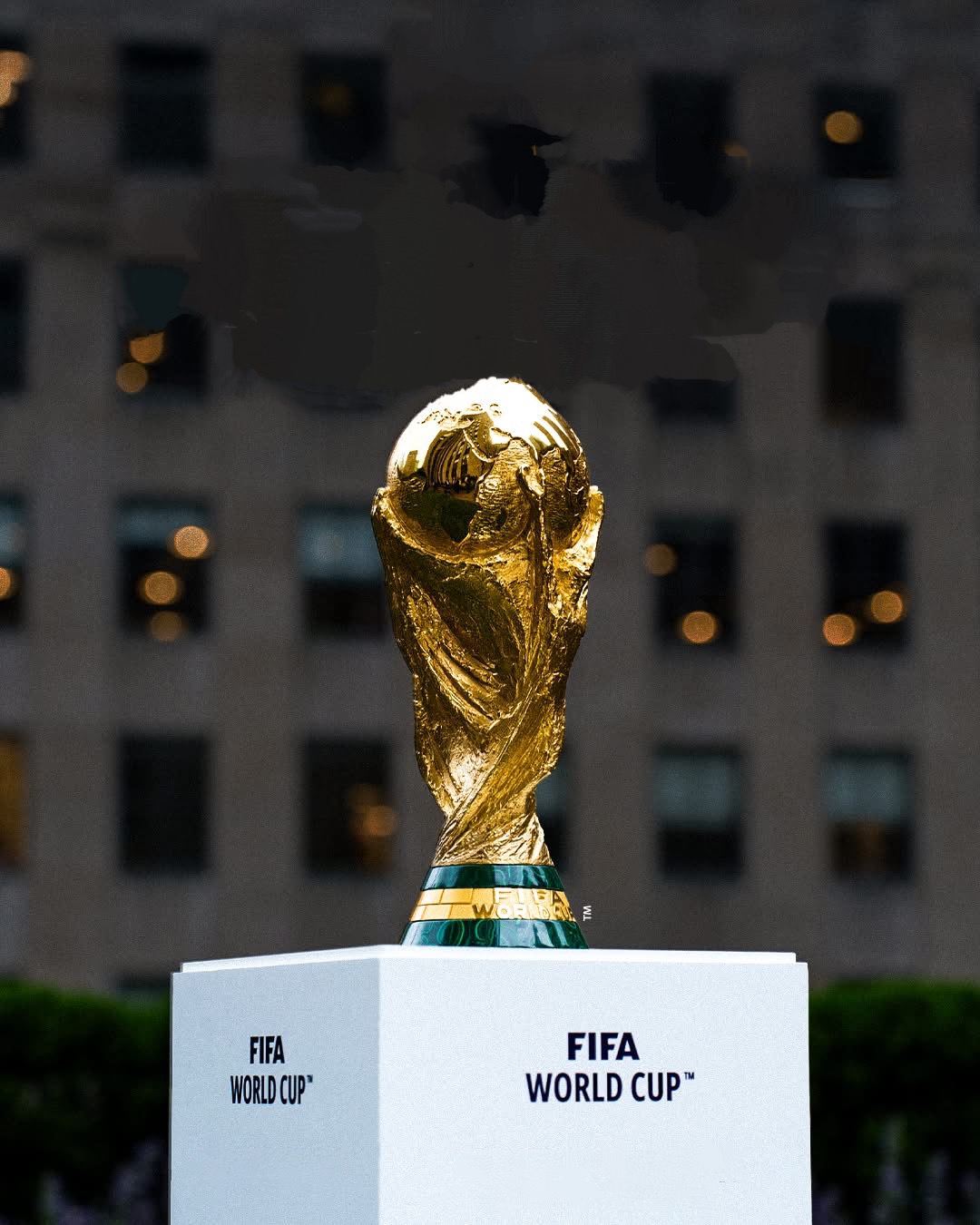

World Cup 2026: Why this edition is unlike anything we’ve seen before
As the draw for the 2026 FIFA World Cup approaches at the John F. Kennedy Center in Washington DC, global anticipation is reaching record levels. This is not just another World Cup — it is the largest tournament ever, with 48 teams, a redesigned structure and an unexpected political layer that is bringing more attention than any recent sporting event.
The United States, Canada and Mexico have spent years preparing to co-host the tournament, but now, with the draw imminent, the excitement is turning into reality.
Who qualified — and who didn’t?
So far, 42 teams have secured their place. The remaining six will join through next spring’s intercontinental playoffs and will appear in the draw as placeholders.
Argentina returns as defending champion after a dominant qualification campaign. France, 2022 runner-up, is again considered a top contender. Spain and England remain among the biggest favorites.
Morocco, which made history in 2022, dominated African qualifiers and could once again be a tournament sensation. Long-absent nations like Scotland, Norway and Austria return to the World Cup stage after nearly three decades.
Debutants include:
- Jordan
- Uzbekistan
- Cape Verde
- Curaçao, the smallest country ever to qualify
More newcomers could emerge from playoffs, including Albania, Kosovo, North Macedonia, Suriname or New Caledonia.
But the biggest disappointment? Nigeria failed to qualify, and Italy risks missing a third World Cup in a row.
How the draw will work
The 48 teams will be distributed into 12 groups of four, based on FIFA rankings. The core rules:
- Maximum two UEFA teams per group
- No group can have more than one team from any other confederation
- Host nations are top seeds and already know their venues
This marks one of the most radical format changes in World Cup history.
Possible scenarios for Team USA
There are more than 20,000 possible group combinations, but analysts see a few particularly interesting possibilities.
The dream group for the USA:
- Australia
- South Africa
- New Zealand
The nightmare group:
- Morocco or Croatia
- Norway, led by superstar Erling Haaland
- Ghana, a historical nemesis for the USMNT
Who will shine the most?
This tournament will make history:
- Lionel Messi, age 39, targeting his sixth World Cup
- Cristiano Ronaldo, age 41, also reaching his sixth
- Erling Haaland, finally making his debut after smashing European qualifying records
- Lamine Yamal, an 18-year-old prodigy with a European title already
- Kylian Mbappé, chasing a third straight World Cup final
The political angle: Why Donald Trump may dominate the spotlight
US President Donald Trump, who often credits himself for helping secure the 2026 hosting bid, is more present in the World Cup conversation than any player.
FIFA President Gianni Infantino has visited the White House multiple times, and the newly created FIFA Peace Prize — expected by many to be awarded to Trump — has fueled even more debate.
Trump has appeared at countless major sporting events this year, maintaining visibility ahead of the tournament and intertwining politics with sport in an unusual way.
Challenges involving visa approvals, concerns among fans from certain nations, rising ticket prices and Trump’s comments about relocating matches have added uncertainty to preparations.
The 2026 World Cup combines sports, economics and geopolitics in a way rarely seen before. With a record number of teams and a completely redesigned group stage, unpredictability is at its peak. While global superstars like Messi, Ronaldo and Haaland will draw the spotlight on the field, the political climate surrounding the tournament adds an extra layer of tension. From travel regulations to FIFA’s relationship with the White House, much of the narrative extends beyond football. The result is a tournament poised to become the most-watched, most profitable and most debated in history.