
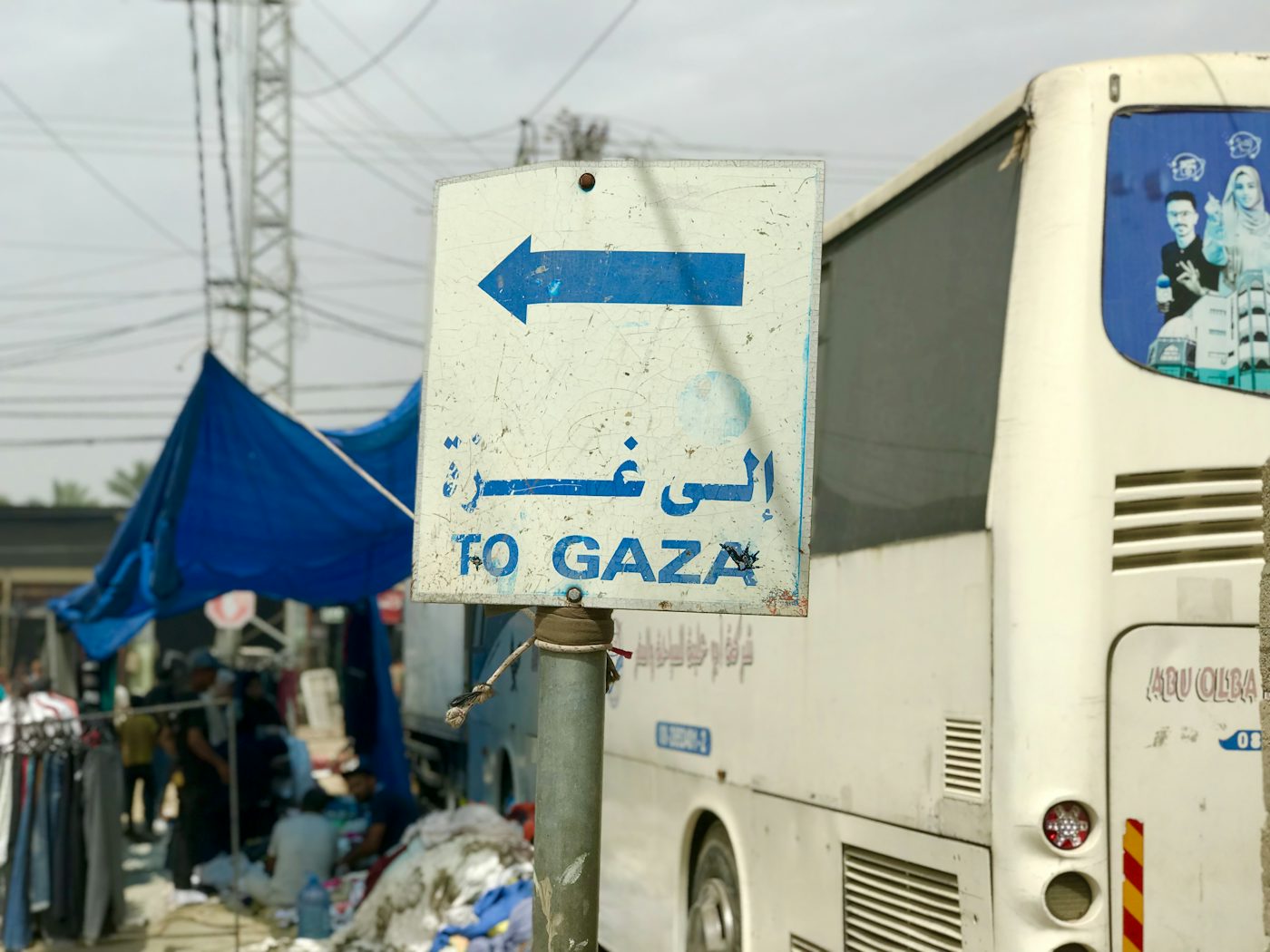

The European Union has confirmed “clear indications” that Israel has breached its human rights obligations under the EU-Israel Association Agreement, due to its actions in Gaza. A long-anticipated review, prepared by the European External Action Service (EEAS) and distributed among member states in a restricted format, raises alarms over numerous and serious violations.
The review is based on findings from various independent international organizations and accuses Israel of obstructing humanitarian aid, targeting hospitals, forcibly displacing Palestinian civilians, carrying out mass arrests and arbitrary detentions, and expanding illegal settlements. These actions, according to the EU, constitute a direct breach of Article 2 of the Association Agreement, which requires bilateral relations to be founded on respect for human rights and democratic principles.
The revelations have sparked strong reactions among EU members. The Netherlands, backed by 16 other countries including France, Ireland, and Sweden, called for a reassessment of Israel’s compliance with Article 2. Meanwhile, other member states, including Hungary, Italy, and Greece, opposed punitive action. Latvia remained neutral.
Israel responded sharply, rejecting the report as biased and out of touch with the “complex reality of the war against Hamas.” A spokesperson from Israel’s foreign ministry claimed the war was forced upon the country and blamed Hamas for the ongoing violence.
The report will be reviewed by EU ambassadors and later by foreign ministers, with EU High Representative Kaja Kallas expected to present the findings at Thursday’s Brussels summit. Kallas, who has recently toughened her tone toward Israel, called the humanitarian situation “painful to witness” and condemned the killing of civilians waiting for food aid.
Possible responses range from the partial suspension of benefits under the agreement to limiting cooperation in trade, technology, and research. However, any decision will require broad consensus—something increasingly difficult due to internal divisions within the bloc.
The EU’s findings mark a diplomatic turning point in its relations with Israel. However, the bloc’s internal division over how to respond undermines its ability to take concrete action. Unless the EU follows its findings with firm political measures, the review risks becoming a symbolic gesture rather than a force for accountability in Gaza.
Source: Euronews