
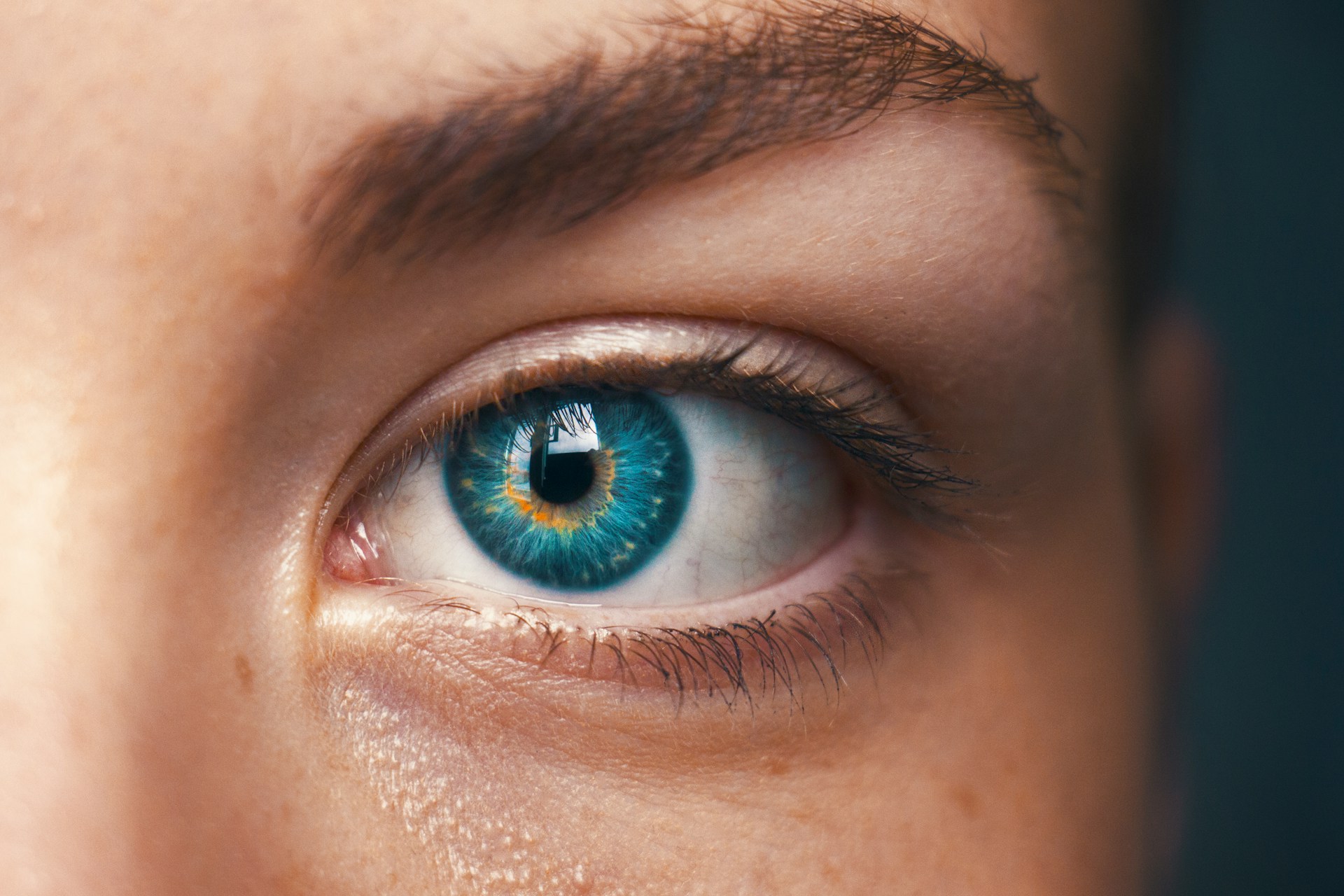

Our eyes are often referred to as the windows to the soul, but they are also important indicators of our overall health. Many people tend to dismiss minor discomfort or sudden changes in their vision, assuming that these issues will simply resolve on their own. However, certain eye symptoms should never be ignored, as they may signal underlying health conditions that require immediate attention. Recognizing these warning signs early can make a huge difference in preventing long-term damage and protecting your eyesight.
In this article, we will explore the most common eye-related symptoms that you should not overlook, what they might mean, and when you should seek medical advice.
⸻
1. Sudden Loss of Vision
One of the most alarming symptoms is the sudden loss of vision in one or both eyes. This could happen gradually over a few hours or instantly. Sudden vision loss may be caused by conditions such as retinal detachment, stroke affecting the eye, or severe eye infections. If you ever experience this symptom, it is considered a medical emergency, and you should seek immediate medical care.
⸻
2. Blurred or Distorted Vision
While temporary blurriness may be linked to fatigue, dehydration, or eye strain from screens, persistent blurred or distorted vision could indicate more serious issues. Conditions such as diabetes (leading to diabetic retinopathy), glaucoma, or macular degeneration can cause long-term vision changes. If your blurred vision persists, worsens, or is accompanied by headaches, you should consult an eye specialist.
⸻
3. Flashes of Light and Floaters
Seeing flashes of light or a sudden increase in floaters (tiny specks or cobweb-like shapes drifting across your vision) can be a red flag. Although floaters are common with age, a sudden burst may indicate a retinal tear or detachment, which requires urgent treatment. Left untreated, this condition could lead to permanent vision loss.
⸻
4. Eye Pain or Severe Redness
Eye pain is not normal and should never be ignored, especially if it comes suddenly or is intense. Severe redness accompanied by pain could signal infections such as conjunctivitis, keratitis, or uveitis. In some cases, it may even point to glaucoma, which can cause irreversible blindness if untreated. Persistent eye pain should always be checked by a doctor.
⸻
5. Halos Around Lights
Noticing halos or rainbow-colored circles around lights, especially at night, can be a warning sign of glaucoma or cataracts. While cataracts are treatable with surgery, untreated glaucoma may cause irreversible vision damage. If you notice halos along with eye pain, nausea, or sudden vision loss, seek emergency medical help.
⸻
6. Excessive Tearing or Dryness
Watery eyes may seem harmless, but chronic tearing could suggest blocked tear ducts or eye infections. On the other hand, persistent dryness can be linked to dry eye syndrome, allergies, or autoimmune diseases. Both conditions affect comfort and vision quality and should be evaluated by an eye specialist if they persist.
⸻
7. Drooping Eyelids (Ptosis)
If you notice that one or both eyelids suddenly droop, it could be a sign of neurological issues such as a stroke, myasthenia gravis, or nerve damage. Drooping eyelids should not be dismissed, especially if accompanied by weakness, difficulty speaking, or numbness.
⸻
8. Sudden Double Vision
Seeing two images instead of one may be caused by eye muscle imbalance, nerve damage, or even brain-related conditions. Double vision is often a sign that requires urgent medical evaluation, as it may be linked to strokes, aneurysms, or head injuries.
⸻
9. Persistent Headaches with Eye Symptoms
Frequent headaches combined with blurred vision, eye strain, or light sensitivity may be related to eye problems such as astigmatism or even more serious conditions like optic neuritis (inflammation of the optic nerve). Since headaches can also be connected to high blood pressure or neurological problems, they should not be ignored.
⸻
10. Yellowing of the Eyes
If the whites of your eyes appear yellow, it may indicate jaundice, which is linked to liver problems such as hepatitis or cirrhosis. While it may not directly affect the eyes themselves, yellowing is an important systemic health warning.
⸻
How to Protect Your Vision
• Schedule regular eye exams, even if you don’t notice problems.
• Maintain a healthy lifestyle with balanced nutrition, hydration, and sleep.
• Protect your eyes from excessive screen time by following the 20-20-20 rule (every 20 minutes, look 20 feet away for 20 seconds).
• Wear sunglasses that block UV rays to prevent long-term damage.
• Avoid self-medicating with over-the-counter eye drops without consulting a doctor.
⸻
Conclusion
Your eyes are not only crucial for your daily life but also serve as warning signals for broader health concerns. Ignoring symptoms such as sudden vision loss, flashes of light, eye pain, or drooping eyelids can put your health and eyesight at serious risk. By paying attention to these early warning signs and seeking medical advice when necessary, you can safeguard your vision and overall well-being.
Protect your eyes, and they will protect you for life.