
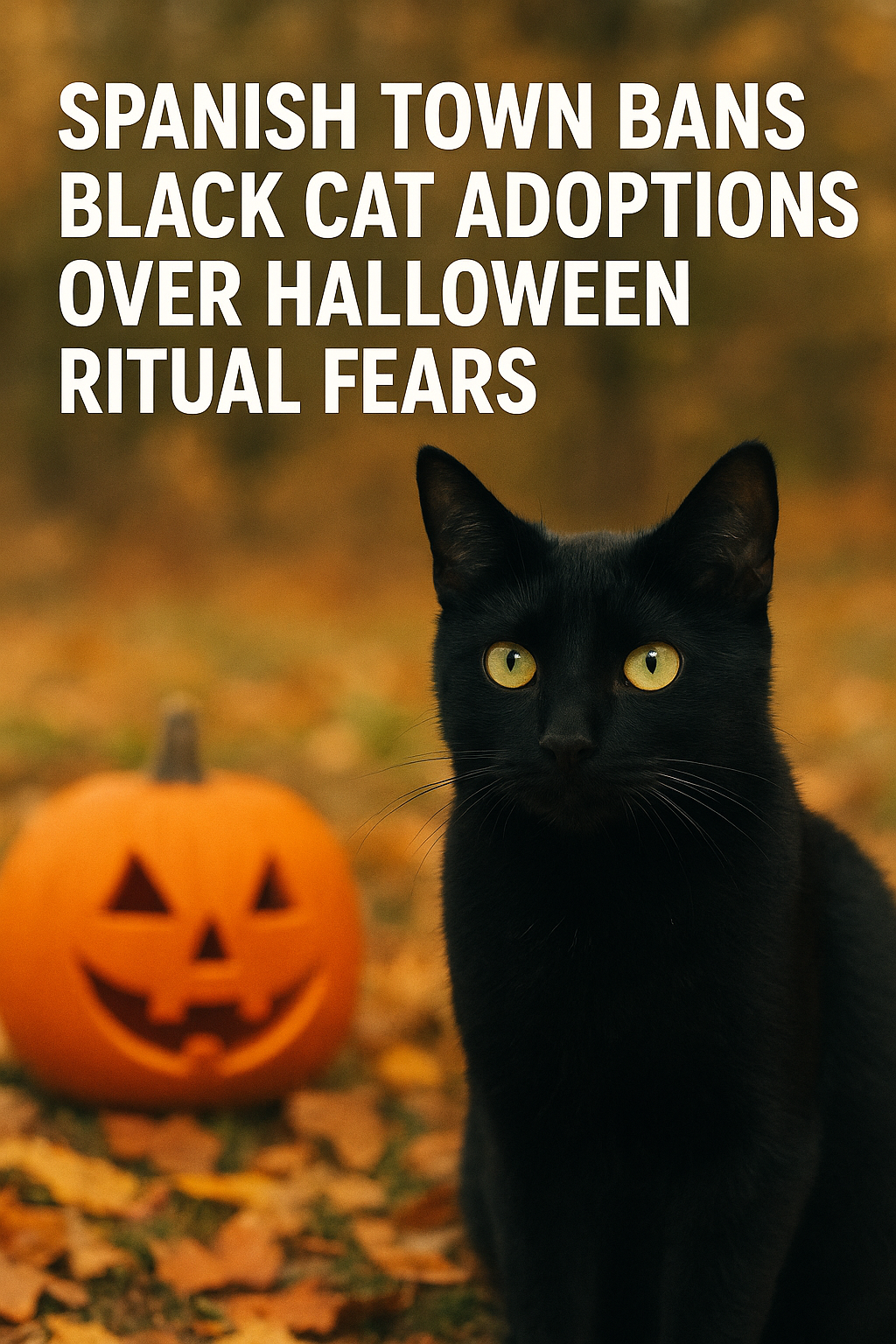

A city in northern Spain has taken an unusual step to safeguard vulnerable animals during the spooky season. On October 6 2025, the municipal animal welfare service of Terrassa, located some 30 kilometres northwest of Barcelona in Catalonia, announced a temporary ban on black-cat adoptions and fostering from October 1 through November 10.
The reason? Officials said the measure was a precaution to prevent possible abuse of black cats during the run-up to Halloween — including cult-style rituals, abandonment or decorative use of the animals. While Terrassa has no documented cases of such abuse locally, authorities pointed to warnings from animal-welfare groups about patterns of suspicious adoption requests.
Deputy Mayor Noel Duque explained the decision by noting that shelters in the city typically saw a sharp increase in requests to adopt black cats ahead of Halloween — often from individuals focusing more on appearance than care. He described some of the requests as being made “because it’s trendy” rather than out of genuine desire to provide a home.
Terrassa’s animal-welfare department emphasised that the ban is strictly temporary and exceptional, aimed at preventing potential harm, not discriminating against cats with black fur. The council insisted that normal adoption procedures will resume after November 10, though it left open the possibility of repeating the measure in future years.
According to municipal data, the city is home to some 9,800 cats, with 12 of them being black cats currently awaiting adoption in the local centre.
Animal-rights groups welcomed the move as a proactive approach, highlighting how black cats have historically been targeted by superstition. In many Western cultural traditions, black-feline pelage is wrongly associated with bad luck, witchcraft or evil omens. In contrast, in other cultures — such as Japan or Egypt — black cats are seen as symbols of good fortune.
One volunteer working with shelters in Catalonia commented:
“It’s ironic — for most of the year, black cats are overlooked because of superstition. Then at Halloween they suddenly become highly sought-after, sometimes for all the wrong reasons.”
While Terrassa has not recorded ritual abuse of black cats, the decision was prompted by reports in neighboring regions of animals being adopted impulsively and later abandoned post-holiday. Adoption-centre staff said that applicants during the season were often more concerned with the cat’s colour than its welfare — raising alarm bells.
What the Terrassa council is hoping to avoid is scenarios in which black cats are treated as holiday-props or ritual objects — only to be neglected, mistreated or abandoned once the celebration ends. By delaying adoptions during the most risky period, they believe they are giving pets a better chance at being placed responsibly.
The announcement has triggered discussion online, where many animal-welfare supporters praised the measure, while others raised concerns about potential discrimination or unintended consequences. Some cat-advocacy groups emphasise that education and awareness remain key — not merely bans — when tackling cultural superstition and ensuring pets are adopted with genuine commitment.
For now, black cats at Terrassa’s shelter will remain unavailable for adoption until mid-November, while authorities evaluate the effectiveness of the ban. If results suggest significant protective benefits, the city may establish the measure as an annual precaution.
In a season when celebrations and superstition often collide, Terrassa’s move stands out as a bold attempt to address potential risks before they become real-world harm. Whether other municipalities follow suit remains uncertain — but the policy adds a new dimension to the ongoing conversation about how best to protect animals in times of heightened cultural symbolism.