
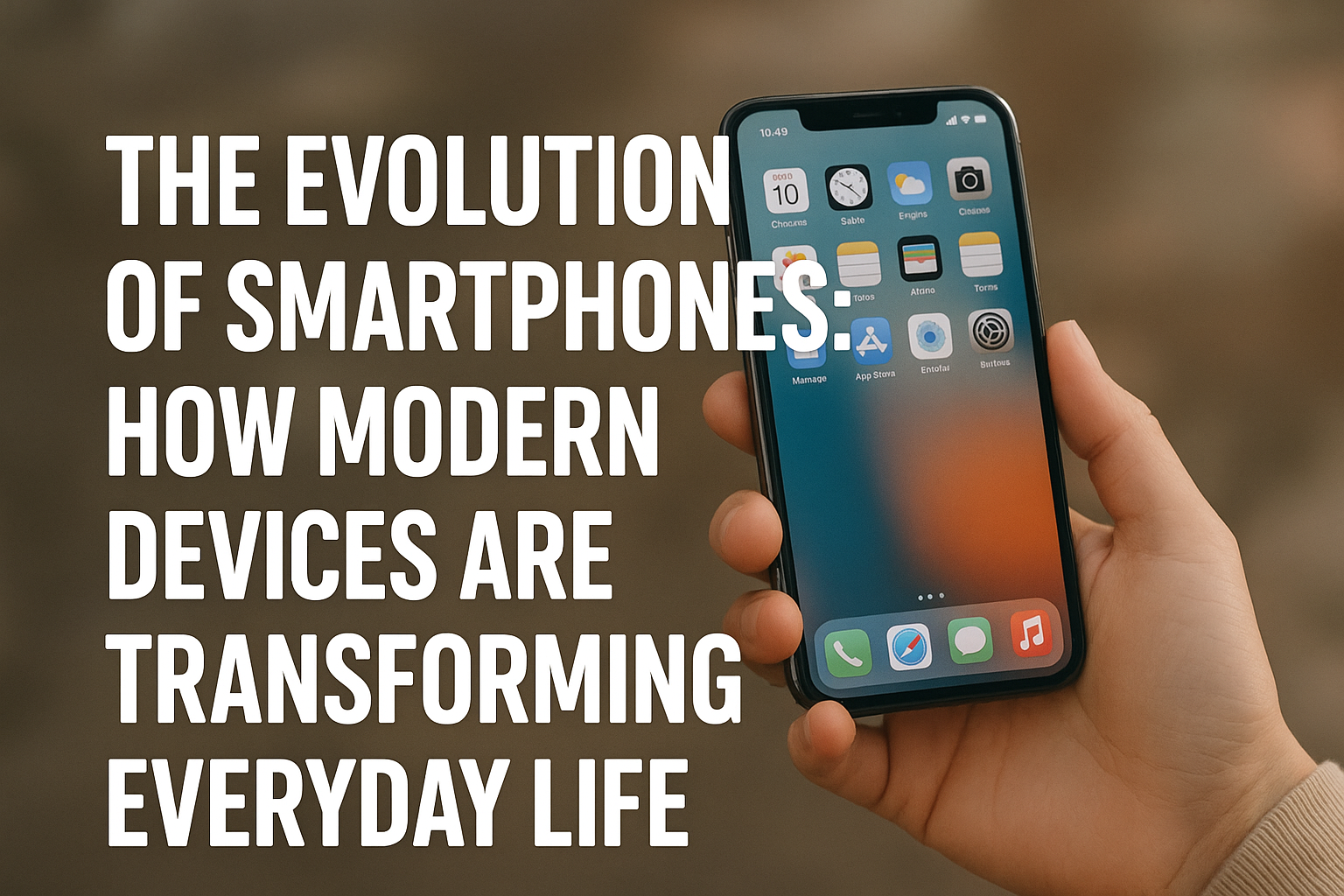

Smartphones have come a long way from the basic mobile phones of the early 2000s. Today, they are not just communication devices but powerful computing machines that fit in your pocket. Modern smartphones combine artificial intelligence, health tracking, photography, and productivity tools, making them indispensable in our daily lives.
1. The Rise of Modern Smartphones
The smartphone revolution began with the introduction of touchscreens and app stores. Today, AI-powered smartphones can learn from user behavior to provide personalized recommendations, optimize battery life, manage notifications, and even assist with mental health. AI algorithms integrated into mobile devices have transformed the way we interact with technology, making smartphones smarter and more intuitive than ever.
2. Smartphones as Health Companions
Modern smartphones are increasingly used for health monitoring. With sensors capable of tracking heart rate, oxygen levels, and physical activity, smartphones paired with wearable devices can provide real-time health insights. Apps powered by AI can suggest exercise routines, track calories, and even alert users to potential health risks based on collected data.
For example, smartphones today can detect irregular heart rhythms using only built-in sensors and machine learning models, helping users catch early signs of conditions like atrial fibrillation. Sleep tracking apps provide detailed analytics, helping users optimize rest patterns for better energy and focus.
3. Productivity at Your Fingertips
Smartphones are no longer just for calls or texting—they are productivity hubs. Features like voice assistants, AI transcription, calendar management, and smart reminders enable users to organize their lives efficiently. Cloud integration allows access to work documents, video calls, and collaboration platforms from anywhere, making smartphones essential for modern professionals.
4. AI and Advanced Photography
Photography has become one of the defining features of modern smartphones. AI enhances image quality, automatically adjusts lighting, and even identifies subjects for perfect shots. Features like portrait mode, night photography, and optical zoom have transformed smartphone cameras into professional-grade photography tools, rivaling standalone cameras.
5. Integration with Smart Homes and IoT
Smartphones now control more than just apps—they connect to smart homes and IoT devices. From controlling lighting and thermostats to monitoring security cameras and smart appliances, smartphones serve as a central hub for your digital life. AI integration allows these devices to anticipate your needs, adjusting environments automatically based on habits and preferences.
6. Challenges and Future Directions
Despite their advantages, modern smartphones present challenges:
- Privacy concerns: Constant data collection raises questions about personal information security.
- Battery life: High-performance AI, cameras, and 5G connectivity consume significant power.
- Digital addiction: Overuse can impact mental health and social interactions.
Future smartphones will likely integrate even more AI capabilities, advanced biometric security, and augmented reality (AR) features, creating immersive experiences. Flexible displays, solar charging, and holographic projections are also expected to redefine the smartphone experience in the coming years.
7. Why Modern Smartphones Are Essential
From communication and productivity to health monitoring and entertainment, modern smartphones have become essential tools for navigating everyday life. They empower users with real-time insights, advanced features, and convenience that were unimaginable just a decade ago.
Investing in a modern smartphone is no longer a luxury—it’s a necessity for staying connected, healthy, and productive in a fast-paced world.