
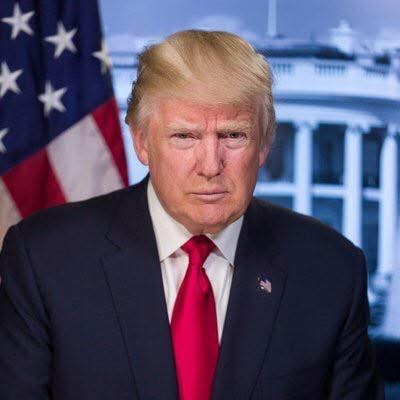

The U.S. government shutdown has entered its 36th day, breaking the record set during Donald Trump’s first presidential term in 2019.
The deadlock began on October 1st, after Congress failed to agree on a new budget plan to fund federal agencies — leaving hundreds of thousands of workers unpaid and millions of Americans without essential public services.
Democrats and Republicans have spent weeks locked in political standoffs with no sign of compromise to end the impasse.
As the shutdown drags on, its effects on ordinary Americans have worsened. Air traffic controllers and airport staff are working without pay, sparking growing fears of nationwide travel disruptions.
Low-income Americans who depend on government aid are also facing cuts. One in eight U.S. citizens relies on food assistance through the Supplemental Nutrition Assistance Program, but only partial payments are being made this month due to exhausted funding.
In the Senate, Republican lawmakers have repeatedly voted for short-term funding bills to reopen the government — but without success, as no Democrat has crossed party lines to support them.
Democrats insist that any new funding deal must include expanded healthcare subsidies for low-income families, while Republicans accuse them of holding the government “hostage” for political gain.
The previous record shutdown, which also occurred under Trump’s administration, lasted 35 days before it ended in early 2019.
Now, with the 36-day mark reached, this new shutdown reflects a deeper political polarization in Washington and a growing inability of U.S. leaders to find common ground.
The 36-day U.S. government shutdown highlights more than just partisan conflict — it exposes a deeper institutional crisis in America’s political system.
For decades, the balance between fiscal responsibility and social welfare has relied on compromise. But that foundation now appears fractured.
As Republicans push to limit spending and project financial discipline, Democrats seek to protect social aid and healthcare coverage for the most vulnerable.
In the short term, this political tug-of-war leaves millions of Americans caught in the middle — missing paychecks, losing food aid, and facing uncertainty about the reliability of their government.
In the long run, it raises a troubling question: can the world’s largest democracy still function when its leaders cannot even agree to keep it running?
Source: ABCNews.al / Adapted by Novaflash.info