
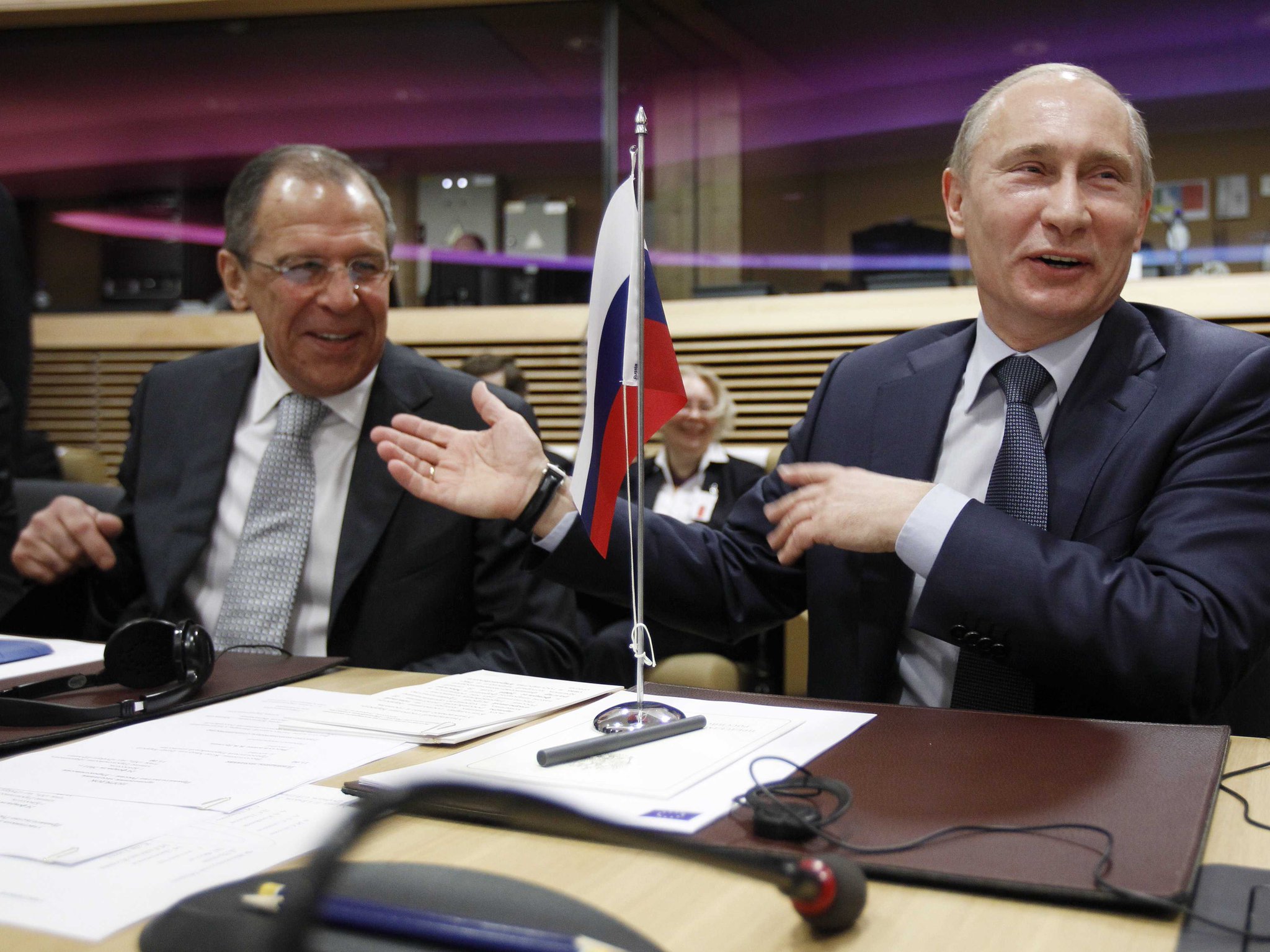

In a stark and symbolic message delivered during an official visit to Turkmenistan, Russian Foreign Minister Sergey Lavrov issued a dire warning about the state of global security, stating that “the Doomsday Clock is ticking closer to midnight.”
Speaking before students and staff at Turkmenistan’s Ministry of Foreign Affairs and the Institute of International Relations in Ashgabat, Lavrov emphasized that the threat of a worldwide catastrophe — including nuclear war — is more real than ever.
“Global security is perhaps the most critical issue today, especially as the infamous Doomsday Clock keeps ticking toward midnight,” Lavrov said. “It is essential to prevent such a scenario, and we are actively engaged in efforts to avoid catastrophe.”
He expressed concern over the increasingly casual discourse around a potential World War III, especially amid what he called “revanchist sentiments” growing throughout Europe.
“It has become almost normal to discuss the possibility of a third world war. This is particularly alarming given the revival of aggressive and militaristic attitudes across Europe — as if two world wars and countless other conflicts were not enough for today’s EU leaders,” Lavrov stated.
While painting a grim picture of the current geopolitical landscape, Lavrov also pointed to what he described as “encouraging developments.” Notably, he praised the foreign policy approach of U.S. President Donald Trump.
“There are some positive trends. One of them is the emphasis on realism and sound logic expressed by the Trump administration, which bases its foreign policy on national interests — both for the United States and for other sovereign nations,” Lavrov said.
He sharply contrasted this with the previous Biden administration, which he accused of being driven by a “neoliberal and hegemonic agenda.”
Lavrov’s statement is more than just a rhetorical flourish — it’s a calculated diplomatic signal. By invoking the Doomsday Clock, a powerful symbol of existential global danger, he positions Russia not as the instigator of conflict, but as the rational actor seeking to pull the world back from the brink.
This speech serves a dual purpose: to issue a global warning about rising instability, and to portray the West — particularly the EU and former Biden administration — as irresponsible provocateurs. Lavrov aims to frame Russia as the voice of reason in a world veering toward chaos.
Perhaps most notable is his endorsement of the Trump administration’s foreign policy. It’s a strategic move designed to appeal to conservative and realist segments in the West, especially within the U.S. It reinforces Moscow’s ongoing effort to exploit political divides in the West and reshape global alliances based on mutual national interests, rather than ideological blocs.
Ultimately, Lavrov’s message is both a warning and a challenge: abandon confrontation and ideological rigidity, or risk pushing the world toward a catastrophe it may not survive.