

In a surprising diplomatic shift, Israeli Prime Minister Benjamin Netanyahu and U.S. President Donald Trump have reportedly agreed to end the war in Gaza within two weeks and move forward with a political plan that includes the recognition of a two-state solution.
The report, published by Israeli outlet Israel Hayom, cites sources familiar with a phone conversation between the two leaders. According to the article, the plan involves four Arab states—including the United Arab Emirates and Egypt—taking administrative control of Gaza in a post-Hamas scenario.
It also stipulates the departure of Hamas leadership, the release of Israeli hostages, and the relocation of Gaza refugees to various host countries.
A key point of the agreement is Israel’s expressed commitment to a two-state solution, contingent on reforms within the Palestinian Authority. Additionally, several Arab and Muslim-majority countries are expected to normalize diplomatic relations with Israel as part of the broader deal.
According to Israel Hayom, Netanyahu’s decision follows intense pressure from President Trump, especially after recent tensions involving Iran. The Trump administration is believed to be seeking regional de-escalation ahead of the upcoming U.S. elections.
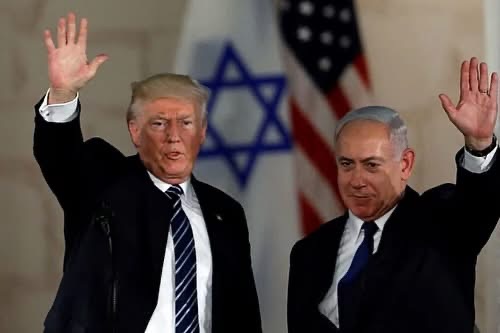
This reported agreement signals a major geopolitical shift and reveals the strong leverage of the Trump administration over Israeli policy. Netanyahu’s openness to a two-state solution—long considered a political red line for parts of his base—suggests real American influence behind the scenes.
The inclusion of Arab nations in governing Gaza could serve as a stabilizing regional model, but it may also provoke resistance if Palestinians perceive it as an external imposition. While this model might bypass Hamas, long-term peace will depend on whether Palestinian voices are genuinely represented.
Main source: Israel Hayom
Additional references: Wikipedia, regional diplomatic context