
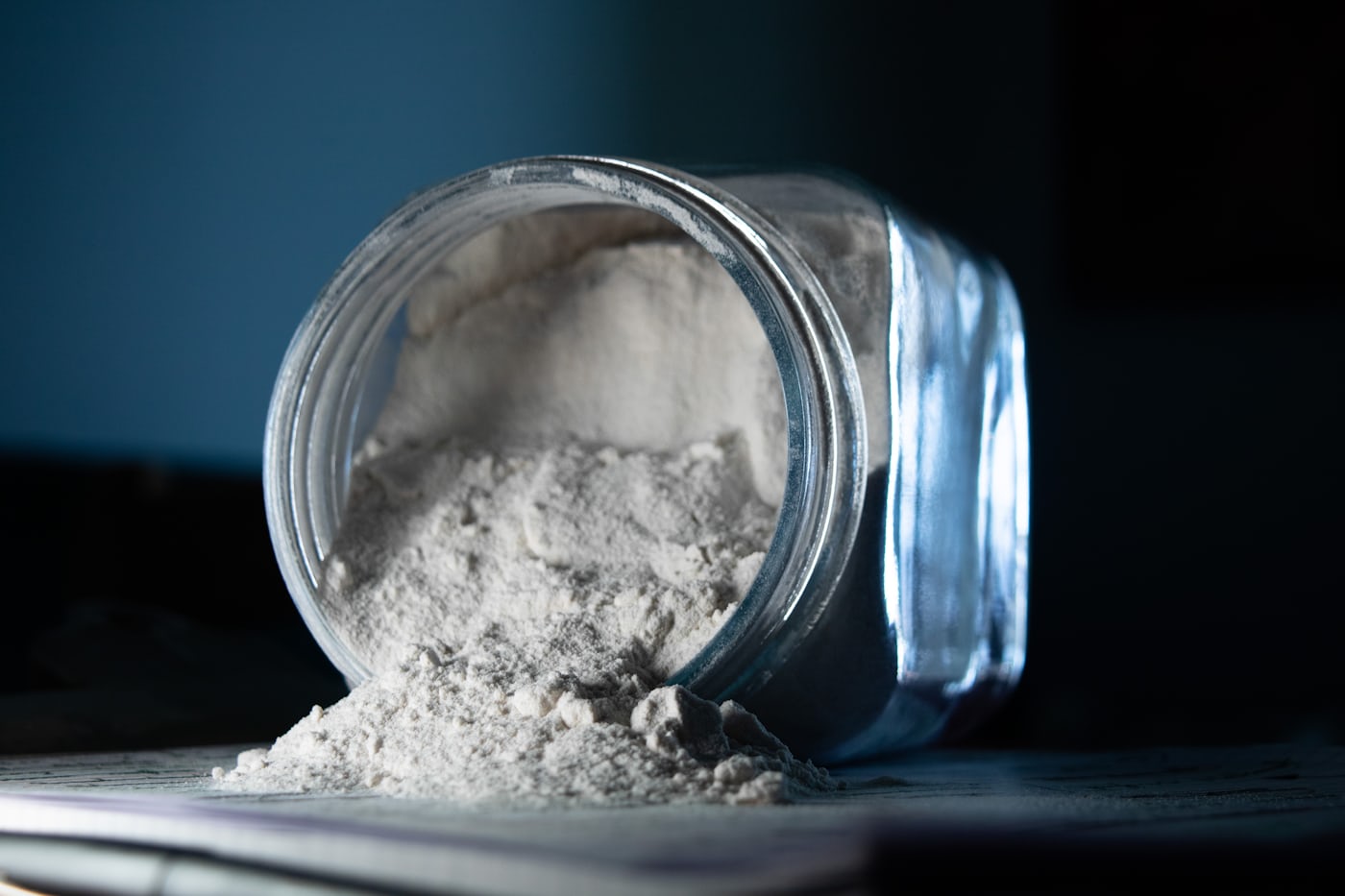

More than 3,000 people in the United Kingdom have filed a collective lawsuit against Johnson & Johnson (J&J), claiming the company’s talcum powder products were contaminated with asbestos and are linked to various cancers.
The plaintiffs accuse J&J of knowingly hiding the health risks while promoting the product as “pure” and “safe for babies.” Legal documents suggest that internal company reports dating back to the 1970s warned about traces of fibrous minerals associated with asbestos.
Company’s response
Johnson & Johnson strongly denies the allegations, insisting that its products do not contain asbestos and that decades of independent studies have confirmed their safety.
However, lawyers for the victims argue that the company prioritized profit over safety, continuing to sell the talc-based powder despite early warnings from its own scientists.
Potential global impact
Legal experts estimate that the claims could total hundreds of millions of pounds, making this one of the largest product liability cases ever brought in the UK.
The case mirrors the wave of lawsuits in the United States, where J&J has already paid billions in settlements to women who developed ovarian cancer and mesothelioma after long-term use of its baby powder.
In 2023, the company discontinued sales of talc-based baby powder in the UK and Europe, switching to a cornstarch-based formula.
Broader implications
If the court rules in favor of the plaintiffs, this could mark a turning point for consumer protection laws in cosmetics and healthcare products, setting stricter requirements for labeling and transparency.
The Johnson & Johnson lawsuit is more than just a corporate scandal — it’s a test of public trust in the world’s largest health brands. Whether or not J&J is found liable, this case could reshape how corporations communicate potential health risks and redefine ethical standards in the beauty and pharmaceutical industries.
Source: Click here (BBC)